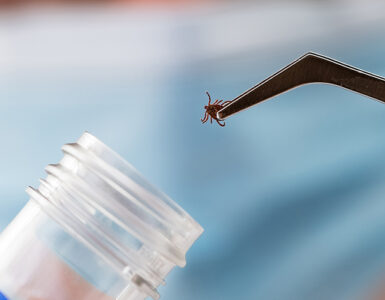


Whether you’re an avid hiker or simply enjoy spending time outdoors, anaplasmosis, a tick-borne disease, is becoming an important health concern to watch for.
Health officials report that anaplasmosis cases are rising in humans. According to the U.S. Centers for Disease Control and Prevention, the number of anaplasmosis cases reported has increased steadily since the disease became nationally reportable in 1999, from 348 cases in 2000 to 7,280 cases as of 2023.
With tick-borne illnesses becoming more prevalent, (including Lyme disease, babesiosis, ehrlichiosis, Rocky Mountain Spotted Fever, alpha-gal syndrome), protecting yourself and your loved ones from tick bites is critical.
- Which ticks carry anaplasmosis and how the disease is transmitted
- The main symptoms and why diagnosing anaplasmosis can be challenging
- Effective ways to prevent tick bites and protect yourself from infection
What is Anaplasmosis?
Anaplasmosis, medically known as human granulocytic anaplasmosis (HGA), is a bacterial infection. It is caused by the bacterium Anaplasma phagocytophilum, which attacks your white blood cells.
Interestingly, this disease is quite common in dogs. However, you do not need to worry about catching the infection from your pet. The disease cannot be transmitted between humans and dogs. You can only get it directly from a tick bite.
How is Anaplasmosis Transmitted?
The infection is primarily spread by the blacklegged tick, often called the deer tick (Ixodes scapularis). This deer tick is also responsible for transmitting Lyme disease and babesiosis. Ticks get the bacteria from small animals like mice and then pass it to humans through their bite.
What Does the Tick Bite Look Like?
Unlike the bullseye rash you might see with Lyme disease, tick bites from anaplasmosis usually look like a small, red bump — very similar to a standard mosquito bite. Because a tick bite is usually painless, it often goes completely unnoticed. This makes checking your body thoroughly after outdoor activities incredibly important.
Anaplasmosis Symptoms
If an infected tick bites you, symptoms usually appear within the first week, typically between four and nine days.
Anaplasmosis can cause a range of symptoms that might feel a lot like the flu, including:
● Sudden fever and severe chills
● Headaches
● Muscle aches
● Extreme fatigue
● Confusion
● Nausea and vomiting
● Joint pain
Unlike Lyme disease, a rash is uncommon with anaplasmosis. While most people recover well, some patients with anaplasmosis require intensive care.
Diagnosis Challenges
Because early signs closely mimic the flu, doctors often face difficulty in diagnosing the infection based on symptoms alone.
Diagnosis requires both your clinical history and laboratory evidence. Antibodies take time for your immune system to develop, meaning early antibody tests might come back negative. The best test for an early diagnosis is a PCR test, which detects the bacteria’s DNA directly in your blood.
If you feel sick after spending time in wooded areas, always tell your healthcare provider about your recent outdoor activities.
Who is Most at Risk?
Certain risk factors significantly increase your chances of getting this illness. People who live, or spend time, in known tick habitats face the highest risk.
- Geography: It is most commonly reported in Northeastern and upper Midwestern states.
- Demographics: Reported cases are highest among males over the age of 40, although anyone can contract this disease.
- Seasonality: The peak time for disease transmission is during June and July when ticks are most active.
While anyone can get sick, older adults and people with weakened immune systems face a much higher chance of developing severe complications.
Effective Treatment
The good news is that treatment for anaplasmosis is highly effective when started early. Doctors typically prescribe a specific antibiotic called doxycycline, which is safe and effective for adults and children of all ages.
Prevention Tips
The absolute best way to handle tick diseases is to prevent them entirely. Immediate and complete removal of attached ticks is critical.
Before going outdoors:
- Apply insect repellent with at least 20 percent DEET or picaridin.
- Stick to the center of trails and avoid walking through tall grass or bushy areas.
- Wear light-colored clothing to better spot ticks.
- Tuck your pants into your socks and your shirt into your pants for extra protection.
After coming indoors:
- Always perform full-body tick checks when you get home. Examine your scalp, behind ears, underarms, behind knees and around the waist.
- Take a shower immediately upon coming indoors, and dry clothing on high heat for 15 minutes before washing it.
- If you find a tick, remove it promptly with fine-tipped tweezers and clean the area with rubbing alcohol or soap and water.
When to See a Doctor
If you develop symptoms like a fever, rash, headache or muscle aches within a couple of weeks after a tick bite or after spending time outdoors, contact your healthcare provider right away. Don’t wait for symptoms to get worse before seeking help. Early diagnosis and prompt treatment are the best ways to ensure a full recovery and to prevent complications from anaplasmosis.
Protect yourself and your loved ones from tick-borne illnesses by staying informed and taking preventive measures.
If you’re concerned about a recent tick bite, symptoms or exposure, schedule a consultation at the Stony Brook Regional Tick-Borne Disease Resource Center. For adult appointments at the clinic in Hampton Bays, please call (631) 725-2112. Children’s appointments can be scheduled at (631) 444-KIDS (5437).
Stony Brook’s specialized clinic, which is the first and only dedicated Tick-Borne Disease Clinic in the Northeast, provides:
● Infectious disease specialists who see adults and children on site
● Expert tick removal, diagnosis and treatment
● Convenient lab services/blood drawing
● Potential opportunity to participate in research studies
● Counseling on tick bite prevention, tick identification, tick removal kits and Tick-Borne Disease Reference Handbooks
* This article has been updated from August 2023 with the most recent data and additional information.