

Rocky Mountain Spotted Fever (RMSF) remains one of the most serious tick‑borne diseases in the United States. Caused by the bacterium Rickettsia rickettsii, RMSF can lead to life‑threatening complications if not treated quickly. Despite its name, the infection occurs in many areas beyond the Rocky Mountain region, making awareness and prevention essential for people nationwide.
This article explains what RMSF is, the early symptoms to recognize, which ticks spread it and how to protect yourself and your family year‑round.
What Is Rocky Mountain Spotted Fever?
Rocky Mountain Spotted Fever is a bacterial infection transmitted through the bite of an infected tick. While cases are reported throughout the United States, RMSF is most common in states such as North Carolina, Tennessee, Missouri, Arkansas and Oklahoma.
The disease progresses quickly, making early recognition critical. There is no vaccine for RMSF, so prevention and prompt treatment are the best defenses.
How Do You Get Rocky Mountain Spotted Fever?
Humans can get RMSF when an infected tick bites them. Ticks pick up the bacteria by feeding on infected animals, and they can pass it on to humans the next time they bite. In the U.S., RMSF is primarily spread by three tick species:
- American dog tick (Dermacentor variabilis): Common across the eastern and central United States.
- Rocky Mountain wood tick (Dermacentor andersoni): Found in the Rocky Mountain region and parts of the Pacific Northwest.
- Brown dog tick (Rhipicephalus sanguineus): Thrives in warm climates and can be found nationwide.
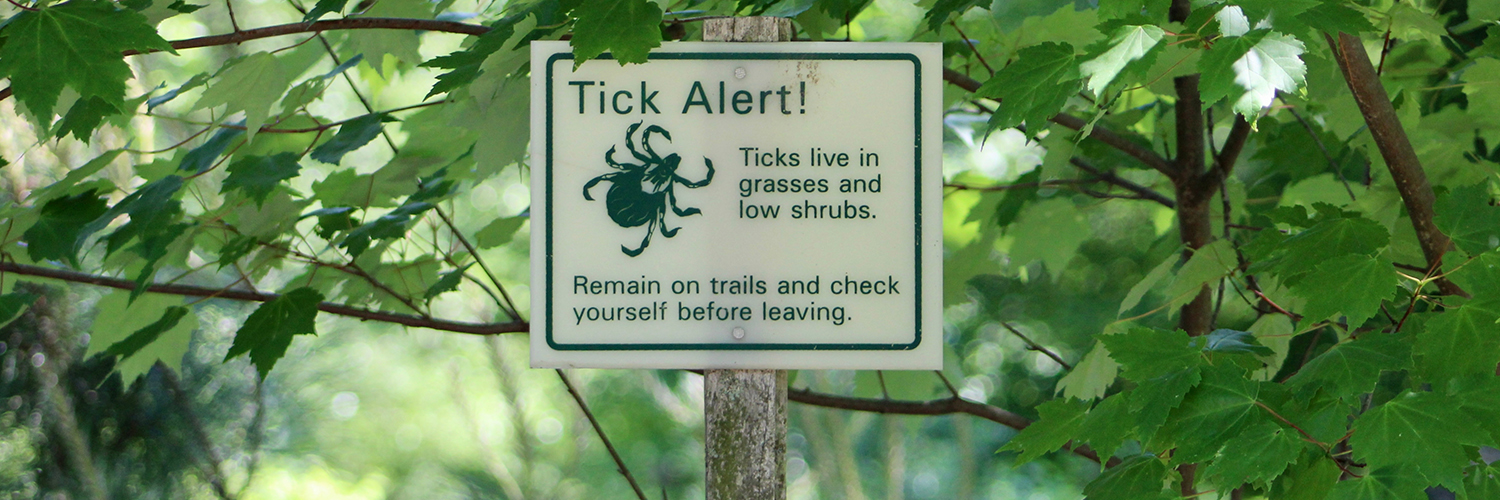
Ticks thrive in grassy, brushy and wooded areas where they can easily attach to people and animals passing through.
Symptoms of Rocky Mountain Spotted Fever
RMSF symptoms typically appear three to 12 days after a tick bite, often starting abruptly with flu‑like signs. Common early symptoms include:
- High fever
- Severe headache
- Muscle aches
- Nausea or vomiting
- Abdominal pain
- Loss of appetite
The Rocky Mountain Spotted Fever Rash
One of the most recognizable signs is a non‑itchy pink or red rash, often appearing two to four days after the fever begins. It usually starts on the wrists and ankles before spreading. Because the rash may appear late — or not at all in some cases — RMSF can be difficult to diagnose early.
How RMSF Is Diagnosed
Doctors diagnose RMSF using:
- A patient’s symptoms
- Recent outdoor or tick exposure
- Specialized blood tests, such as indirect immunofluorescence assay (IFA) antibody testing or a polymerase chain reaction (PCR) test.
However, test results can take days or even weeks, so it’s important to start treatment immediately when RMSF is suspected. Because delayed treatment greatly increases the risk of severe illness, early clinical diagnosis is essential.
Treatment for Rocky Mountain Spotted Fever
The recommended treatment for RMSF is the antibiotic doxycycline, which is safe and effective for adults and children of all ages. Starting treatment within the first five days of symptoms significantly reduces the chance of complications such as organ failure, nerve damage, hearing loss or even death.
Early treatment is the single most important factor in recovery.
Who Is Most at Risk for RMSF?
While anyone can get RMSF, risk is higher for:
- People who spend time in wooded or grassy areas
- Residents of states where RMSF is most common (Southeast and South‑Central U.S.)
- Children under age 10
- Adults over age 40
- Individuals with weakened immune systems or G6PD deficiency
Outdoor workers, hikers, campers and pet owners are particularly vulnerable due to frequent environmental exposure.
How to Prevent Tick Bites and Reduce RMSF Risk
There is no RMSF vaccine, but preventive measures significantly reduce your likelihood of infection.
Protect Yourself Outdoors
- Use Environmental Protection Agency-registered insect repellents containing DEET, picaridin, and treat clothing/gear and shoes with permethrin.
- Wear long sleeves and long pants; tuck pants into socks.
- Avoid tall grass, leaf litter and brushy trails.
Check for Ticks After Being Outdoors
- Perform a full‑body tick check with a mirror.
- Check clothing, gear and pets.
- Shower immediately after being outside to wash away ticks that haven’t latched on.
- Put clothing in the dryer for 15 minutes on high heat, then wash.
Other tick‑borne illnesses — such as Lyme disease, anaplasmosis, babesiosis, ehrlichiosis and alpha-gal syndrome — can also occur from tick exposure, making it even more important to understand the full range of risks associated with tick bites.
How to Remove a Tick Safely
If you find a tick attached to your skin, removing it correctly and as soon as possible is an important step in lowering the chance of infection. Use fine‑tipped tweezers to grasp the tick close to the skin and pull upward steadily. Clean the bite area with soap and water.
When To See a Doctor
If you develop a sudden fever, rash or severe headache after being outdoors — especially in tick‑dense areas — contact a healthcare provider immediately. RMSF can progress quickly, even if you don’t recall a tick bite, as many bites go unnoticed.
Rocky Mountain Spotted Fever sounds scary, but it’s highly treatable when caught early. Understanding the symptoms, knowing how to prevent tick bites and acting fast after suspected exposure are the best ways to stay safe.
If you’re concerned about a recent tick bite, symptoms or exposure, schedule a consultation at the Stony Brook Regional Tick-Borne Disease Resource Center. For adult appointments at the clinic in Hampton Bays, please call (631) 725-2112. Children’s appointments can be scheduled at (631) 444-KIDS (5437).
Stony Brook’s specialized clinic, which is the first and only dedicated Tick-Borne Disease Clinic in the Northeast, provides:
- Infectious disease specialists who see adults and children on site
- Expert tick removal, diagnosis and treatment
- Convenient lab services/blood drawing
- Potential opportunity to participate in research studies
- Counseling on tick bite prevention, tick identification, tick removal kits and Tick-Borne Disease Reference Handbooks