

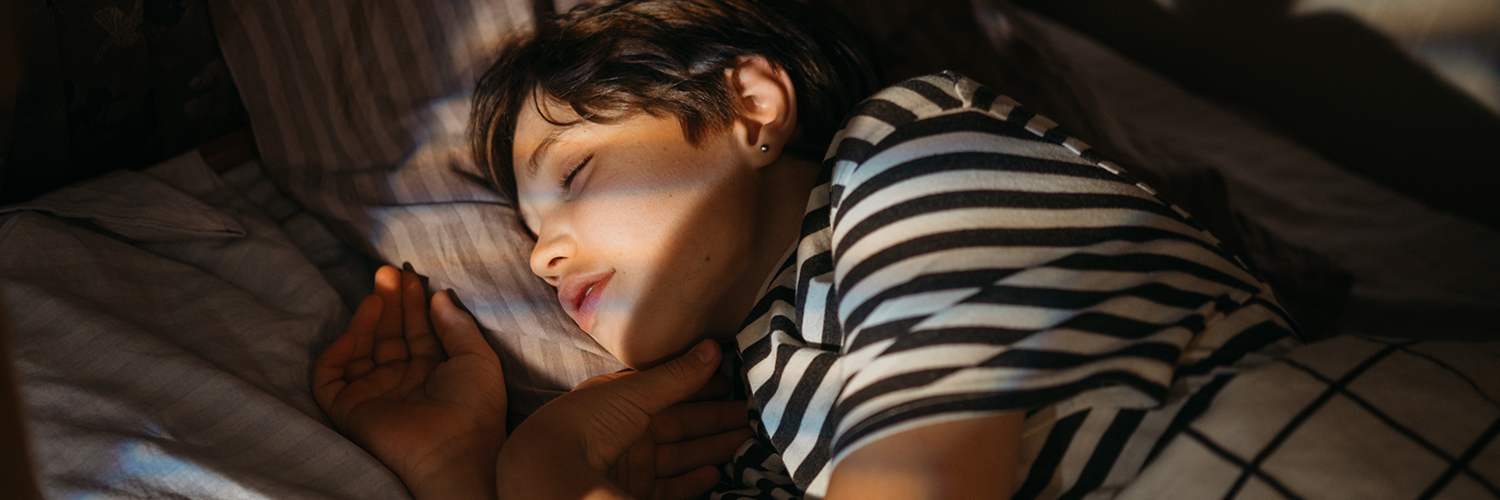
Sleep is the foundation of children’s health, affecting everything from their mood and immune system to their ability to learn in school. Yet, for many families, ensuring children get high-quality rest is a nightly struggle. Parents often wonder: Is my child getting enough sleep? Why is bedtime such a battle? And why does my teenager stay up so late?
Sleep needs change as children grow. Babies, young kids and teens all require different amounts of sleep, and their sleep patterns evolve over time, just as adults have their own sleep needs. Additionally, factors like school schedules, screen time and extracurricular activities can make it challenging to maintain healthy sleep habits.
This guide breaks down how much sleep children and teens need by age, how to recognize signs of insufficient sleep and what practical bedtime routines you can implement tonight.
Sleep Chart: How Much Sleep Do Kids Need?
Understanding the baseline for healthy sleep is the first step. According to data from the Centers for Disease Control and Prevention (CDC) and the American Academy of Sleep Medicine (AASM), these are the recommended sleep durations for pediatric health:
| Age Group |
Total Sleep (Including Naps) | Daily Naps |
| Infants (4 to 12 months) | 12 to 16 hours | 2 to 3 naps |
| Toddlers (1 to 2 years) | 11 to 14 hours | 1 to 2 naps |
| Preschool (3 to 5 years) | 10 to 13 hours | 0 to 1 nap |
| School-age (6 to 12 years) | 9 to 12 hours | Usually none |
| Adolescents (13 to 18 years) | 8 to 10 hours | None |
Note: These ranges are general guidelines; individual sleep needs may vary based on the child’s unique needs, activity level and health.
How Sleep Patterns Shift as Kids Grow
As kids become teens, they don’t just need less sleep — their sleep timing and body rhythms change too.
- Infants and toddlers: Sleep is distributed throughout the day and night. Naps are not “extra” sleep; they are critical for early brain development and emotional regulation.
- Preschoolers: This is a transition period. Many children drop their final nap between ages 3 and 5, requiring an earlier bedtime to compensate for the lost daytime rest.
- School-age children: Sleep consolidates into a single nighttime block. Consistent bedtimes are vital for memory retention, focus and emotional regulation.
- Adolescents: Teenagers undergo a biological “phase delay” in their circadian rhythm. Their bodies naturally want to stay awake later and sleep later. Despite this shift, they still biologically require eight to 10 hours of rest. Early school start times often conflict with this natural tendency, resulting in chronic sleep deprivation.
Is My Child Sleep Deprived? Signs to Watch For
You don’t always need a sleep log to know if your child is tired. Often, behavior is the loudest indicator.
Signs in Infants and Toddlers
- Well-rested: Wakes up content, feeds effectively and self-soothes after naps.
- Sleep-deprived: Exhibits frequent fussiness, “fighting” sleep despite being tired and taking unusually short naps (catnapping).
Signs in Preschoolers
- Well-rested: Generally has a stable mood, is able to play independently at times and settles down calmly in the evening — in ways that are typical for that child.
- Sleep-deprived: Prone to emotional meltdowns, hyperactivity (the “second wind”), clinginess and extreme difficulty waking up.
Signs in School-Age Children
- Well-rested: Generally alert and ready to learn, with attention and emotional regulation that are typical for that child.
- Sleep-deprived: Struggles to concentrate on homework or tasks, displays mood swings or shows significant resistance to getting out of bed.
Signs in Teens
- Well-rested: Wakes with relative ease, doesn’t rely on caffeine and maintains focus during first-period classes.
- Sleep-deprived: Excessive daytime sleepiness, irritability or “short fuse,” heavy reliance on energy drinks and sleeping until noon on weekends to “catch up.”
The 10-5-3-2-1 Bedtime Routine
Establishing a consistent bedtime routine can signal to your child’s body that it’s time to wind down and will help the brain to release melatonin, the sleep hormone. Try this countdown method to structure the evening:
- 10 Minutes – Wind Down: Engage in low-energy activities. Read a physical book (no e-readers) or listen to soft music.
- 5 Minutes – Hygiene: Brush teeth, wash face and handle personal care.
- 3 Minutes – Pajamas: Change into comfortable sleepwear.
- 2 Minutes – Bathroom: One final restroom visit to prevent middle-of-the-night awakenings.
- 1 Minute – Lights Out: Say goodnight and turn off the lights.
3 Tips for Better Sleep Hygiene
Small changes to daily habits and the sleep environment can make a big difference in how well children and teens sleep.
- Environment matters: Keep the bedroom cool (around 65 to 70°F), dark and quiet. A color-changing night light helps children fall asleep by creating a calming bedtime environment. Using different colors can signal when it’s time to sleep or wake up.
- The Screen Ban: The American Academy of Pediatrics (AAP) recommends turning off screens at least one hour before bed. Blue light suppresses melatonin production.
- Active days, restful nights: Physical activity during the day promotes deeper sleep cycles at night.
Overcoming Common Sleep Challenges in Kids
If they resist bedtime:
Offer “controlled choices” to give them autonomy. Let them choose between two pairs of pajamas or two books. This reduces power struggles while keeping the routine intact.
Avoid sleeping in the same bed or room with your child when possible. If you choose to remain in your child’s room until they fall asleep, sit quietly in a chair and do not respond to requests once bedtime begins. Stay until your child falls asleep on their own. Over time, move further away and eventually out of the room.
If they wake up at night:
When your child wakes up at night, wait a few minutes before responding. Gradually increase the waiting time each night. This will reduce requests for milk or water, rocking or sleeping next to a parent.
Keep interactions boring. Reassure them calmly, keep the lights off and avoid stimulating conversation. The goal is to make being awake unappealing compared to sleeping.
If they have anxiety:
Institute a “worry time” earlier in the day to discuss fears so they aren’t processed in bed. A consistent comfort object or nightlight can also provide security.
Overcoming Sleep Challenges in Teens
Teens face unique sleep challenges due to biological shifts in their sleep patterns and early school start times, as highlighted by the National Sleep Foundation. Many teens naturally fall asleep and wake up later, which can lead to chronic sleep deprivation when schedules don’t align. Try these tips:
- Set a “caffeine curfew” (no caffeine after 2 pm)
- Set a no late-night homework rule
- Set clear screen time limits
- Teach your teen why sleep matters for grades, athletic performance and overall health
Most importantly, emphasize that sleep is directly linked to emotional well-being. Research from the National Sleep Foundation shows that adequate sleep improves emotional functioning and helps teens better manage anxiety, depression and stress. By understanding this connection, teens and their families can prioritize healthy sleep as a powerful tool for both physical and mental health.
When to See a Doctor
Sleep issues can sometimes signal underlying health conditions. Consult your pediatrician or a sleep specialist if you notice:
- Bedtime struggles that persist for weeks.
- Loud snoring, gasping or pauses in breathing (signs of sleep apnea).
- Frequent night awakenings well past the toddler years.
- Behavioral issues often misdiagnosed as ADHD that may stem from poor sleep.
Sleep is not a luxury; it is a biological necessity for your child’s development. By recognizing the signs of sleep deprivation and enforcing a consistent, compassionate routine, you can transform bedtime from a battle into a time of rest and connection.
At Stony Brook Children’s, we are committed to helping young patients and their families identify, diagnose and manage sleep disorders for healthier rest and overall well-being. To make an appointment with one of our pediatric sleep specialists, call (631) 444-5437or visit our website.