
Have you been feeling unusually tired, noticing unexpected changes in your weight or experiencing a racing heart? While these symptoms might seem minor or unrelated, they could point to an issue with your thyroid — a...

Colorectal cancer is the third most common cancer in the United States, affecting both men and women. The good news? It’s also one of the most preventable cancers with regular colon cancer screening. The passing of...
GLP‑1 medications have transformed the way we approach weight loss and metabolic health. But how do they actually work? And who are they right for? In this episode of HEALTH Yeah!, our experts break down the...
Join experts from Stony Brook Cancer Center for an informative conversation about colon and rectal cancer screening, diagnosis and advanced treatment options. In this episode, experts will discuss the importance...
Your heart works tirelessly, beating roughly 100,000 times a day to keep blood moving through your body. At the center of this incredible process is the aortic valve. It acts as the main gatekeeper, controlling the flow...
Polycystic ovary syndrome (PCOS) affects an estimated 10 to 13 percent of women of reproductive age worldwide, yet many misconceptions and unanswered questions still surround this condition. While it’s often linked to...
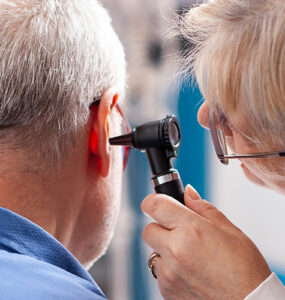
Hearing loss is incredibly common, affecting millions of people of all ages. Yet, when you or a loved one notices a change in hearing, the first step is often the hardest: Who should you call? Should you book an...
Blood clots are a normal part of the body’s healing process, helping stop bleeding when an injury occurs. However, clots that form in the veins can sometimes cause serious health problems, particularly if they travel to...
Stony Brook Heart Institute offers a comprehensive, multidisciplinary program for the prevention, diagnosis and treatment of cardiovascular disease. Coronary Artery Disease (CAD) is a serious type of cardiovascular...
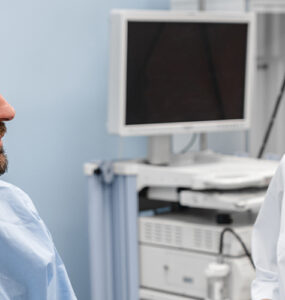
A colonoscopy is a medical procedure used to examine the inner lining of the large intestine (colon) and rectum. It is primarily performed for colorectal cancer screening, to detect abnormalities such as polyps, tumors...