

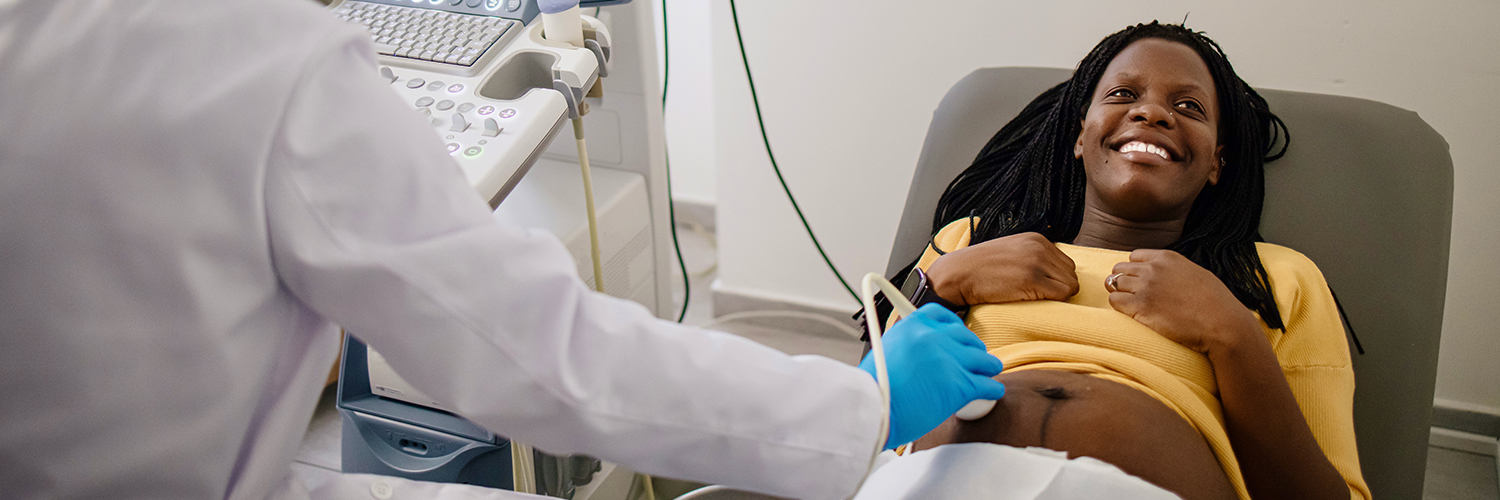
Having a baby is one of life’s most exciting—and emotional—journeys. As expectant parents, you want to do everything you can to ensure your baby is healthy, and that includes keeping a close watch on your child’s developing heart. Sometimes, doctors recommend a special ultrasound called a fetal echocardiogram to take a detailed look at the baby’s heart before birth.
If your doctor has suggested a fetal echo, you might be wondering why it’s needed and what it involves. Certain factors—like being conceived through in vitro fertilization (IVF) or having a family history of heart conditions—can increase the need for this test.
A fetal echo can help detect congenital heart conditions early, allowing your medical team to plan for the safest possible delivery and care after birth.
What is a Fetal Echocardiogram?
A fetal echocardiogram is a specialized ultrasound that examines an unborn baby’s heart. Using high-frequency sound waves, the test creates moving images of the baby’s heart to check for any abnormalities in its structure and evaluate heart function.
Unlike a standard ultrasound, which shows basic heart structures, a fetal cardiac echo allows for a more detailed view of the heart’s chambers, valves, blood flow and the major vessels around the heart.
A pediatric cardiologist or a specially trained ultrasound physician will review these images to ensure your baby’s heart is developing normally.
Why Might You Need a Fetal Echo?
Not every pregnant person needs this test, but there are some situations where a fetal echocardiogrammay be recommended, including:
Family or Medical History of Heart Conditions
- If the baby’s parents or siblings have congenital heart disease
- If there is a history of genetic disorders linked to heart issues
Pregnancy Factors
- IVF pregnancies: While the overall risk is still low, some studies suggest that assisted reproductive technologies may increase the risk of heart abnormalities.
- Monochorionic twin pregnancies: Not all twin pregnancies need an echo, but if the babies share a single placenta this test is advised
- If the baby is suspected to have a chromosomal condition (like Down syndrome)
- If a previous ultrasound showed possible heart irregularities or certain other non-cardiac abnormalities
Maternal Health Conditions
- Diabetes
- Autoimmune diseases (such as Lupus)
- Specific viral infections during pregnancy that can affect fetal heart development
Medication Exposure
- Some medications taken during pregnancy, especially for epilepsy or certain autoimmune diseases, can impact fetal heart development.
What to Expect During a Fetal Echo?
A fetal echocardiogram is usually performed between 18 and 24 weeks of pregnancy when the baby’s heart is developed enough to get a clear picture. The test is a safe, painless and non-invasive procedure.
Unlike some routine prenatal ultrasounds, a full bladder is not required for a fetal echocardiogram, and there is no special preparation needed.
Here’s what you can expect if a doctor recommends a fetal echo for your baby:
- You’ll lie on an exam table while a technician applies a small amount of gel to your belly.
- A handheld probe, called a transducer, will move across your abdomen, sending sound waves to create images of your baby’s heart.
- The test usually takes between 45 and 120 minutes depending on the complexity of the fetal heart. Sometimes, the position of the baby can make it hard to see the heart, and the test will take longer.
- You’ll be able to see your baby’s heart on a screen, though the technician may not provide results right away—these are typically reviewed by a pediatric cardiologist or specially trained ultrasound physician first.
Are There Risks Involved?
A fetal echocardiogram is very safe, and in most cases, simply a precaution. It uses sound waves—just like a regular ultrasound—and does not expose your baby to radiation or harmful effects.
Some parents worry about the emotional stress of waiting for results. Depending on the office, you may receive the results at the same time as your exam. As your doctor what to expect for a results timeline. If you feel anxious, talk to your doctor or a support person to help manage your concerns. It’s important to remember that many babies who undergo this test have completely normal hearts.
What Happens After a Fetal Echocardiogram?
Many heart conditions can be managed or corrected after birth, and some can even improve on their own. If your baby’s heart appears healthy, you can continue with routine pregnancy care and testing.
Even if an issue is found, early detection gives you and your doctors the best chance to plan for a healthy future.
If the echo detects a heart abnormality, your doctor will discuss next steps, which may include:
- Additional tests to confirm the diagnosis
- Consultations with a Pediatric Cardiologist and/or Maternal-Fetal Medicine doctor
- A specialized pregnancy and birth plan to ensure the right care is available immediately after delivery
Remember, one of the biggest benefits of detecting a heart issue early is that your medical team can prepare the safest treatment plan for you and your baby.
When a heart defect is identified, the Maternal Fetal Medicine experts at Stony Brook Medicine incorporate the expertise and care of the Pediatric Cardiology team, led by pediatric cardiologist Laurie Panesar, MD. These Pediatric Cardiologists have expertise with the most complex pediatric heart problems. To make an appointment with our MFM team, call (631) 444-4686; a list of our locations can be found here.