

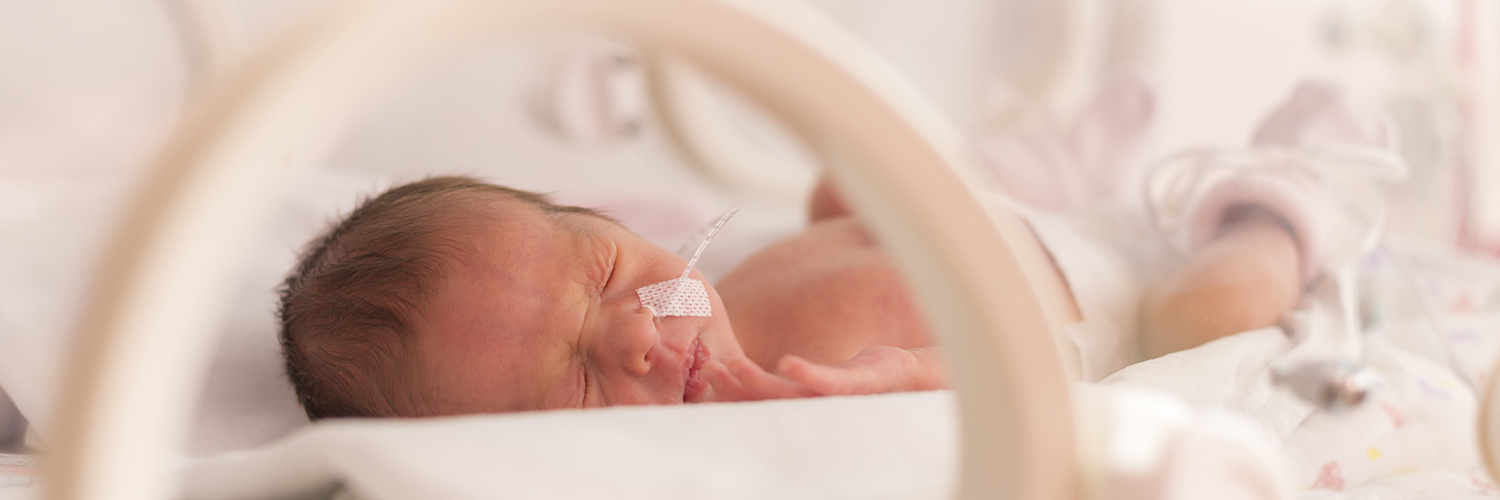
Having a baby is exciting, but it can also bring worry, especially if your baby might arrive early. Learning about premature birth can help you feel more prepared and more in control. Here’s what you should know.
Why Does Timing Matter in Pregnancy?
A full-term pregnancy lasts about 40 weeks. Every single week matters because your baby’s brain, lungs, liver and other organs keep growing right up until birth. The brain, for example, grows four to five times bigger between 35 and 40 weeks.
Babies born before 37 weeks are called premature, or “preterm.” According to the Centers for Disease Control and Prevention (CDC), about 1 in 10 babies in the United States is born prematurely each year.
Doctors have long known that babies born before 34 weeks face higher risks. But “late preterm” babies, those born between 34 and 37 weeks, also need extra care. They can have trouble with:
- Feeding
- Staying warm (a condition called hypothermia)
- Jaundice, which turns the skin and eyes a little yellow
- Slower development
- A higher risk of sudden infant death syndrome (SIDS)
It’s important to remember that not every early birth leads to serious problems. Many premature babies grow up healthy and strong, especially with the right support.
What Raises the Risk of a Premature Birth?
Sometimes preterm birth happens without a clear reason — and that can be hard to accept. Researchers have identified certain factors that may raise the likelihood of an early delivery. Sharing these with your care team helps them keep a closer eye on your pregnancy. These factors can include:
- Having a premature baby before. If you’ve had a preterm birth in the past, your risk of having another one is higher. Your doctor will monitor your pregnancy more closely.
- Being pregnant with twins or more. Carrying more than one baby puts extra strain on the uterus, which can trigger early labor.
- Certain infections or health conditions. Infections in the urinary tract, uterus or vagina can sometimes lead to early labor. Conditions like high blood pressure or diabetes also raise the risk.
- Smoking or using harmful substances. Smoking, drinking alcohol or using drugs during pregnancy can affect how the baby grows and increases the chance of early delivery.
- Not much time between pregnancies. Getting pregnant again within 18 months of a previous birth gives the body less time to recover, which can raise the risk of preterm labor.
By understanding what could potentially affect your pregnancy, you can take proactive steps to reduce the risk and ensure a healthy outcome for you and your baby.
How Can Prenatal Care Help Lower the Risk?
Getting early and regular prenatal care is one of the most important things you can do for your health and your baby’s health. Regular checkups let your care team watch how your baby is growing and catch any problems early.
Here’s how prenatal care helps at different stages:
- Ultrasounds can confirm your due date and check how your baby is developing.
- Around 12 weeks, a blood test can screen for chromosomal conditions like Down syndrome. This is called prenatal screening, and it helps your care team plan ahead.
- A fetal echocardiogram (a special ultrasound of the heart) between 18 and 24 weeks can find most major heart problems. This gives your delivery team time to prepare.
As your pregnancy moves along, your doctors also watch for signs that labor might start too soon. If there’s a risk, they may suggest treatments such as:
- A procedure called cerclage, where a stitch helps support the cervix if it’s too weak to hold the growing baby, and
- Medication for women who have had previous early deliveries before.
In the past, doctors often recommended strict bed rest. Today, experts no longer suggest bed rest for most pregnancies, because it usually doesn’t help and can cause other problems. Always follow the advice your own care team gives you.
What Happens If Labor Starts Early?
If labor begins too soon, try not to panic. Hospitals are ready to help, and modern care has come a long way.
Some hospitals, including Stony Brook Medicine, have special centers called regional perinatal centers. These centers have the highest level of technology and expertise to care for both high-risk pregnancies and very sick newborns. Premature and critically ill babies are cared for in a neonatal intensive care unit, or NICU.
In a NICU, a team of specially trained doctors and nurses watches your baby around the clock. They provide gentle, careful support with feeding, breathing, staying warm and growing stronger. If a baby needs more help than a local hospital can offer, they can be safely moved to a center with a higher level of care.
Preparing to Bring Your Baby Home
Bringing a premature baby home is a big step, and it’s normal to feel nervous. Hospitals and NICU teams offer many programs to help you feel confident before you leave. These often include:
- Breastfeeding and pumping support. Trained lactation specialists help parents learn to breastfeed and pump milk successfully.
- Safe sleep education. Families learn the safest way to put a baby to sleep. The American Academy of Pediatrics recommends always placing babies on their backs to sleep.
- Practice with medical devices. Some babies go home using equipment like a pulse oximeter or apnea monitor. Many NICUs let parents stay overnight to practice caring for their baby with a nurse nearby.
- Family support programs. Some hospitals partner with organizations to offer structured support for NICU families — including emotional counseling, educational resources about your baby’s care and guidance on what to expect after you go home.
- Home visits and/or phone check-ins after discharge. Some programs send a nurse to your home or follow up by phone to make sure you and your baby are doing well.
A premature birth can feel scary, but you’re not alone. With good prenatal care, a skilled medical team and strong support at home, many premature babies thrive. Staying informed is one of the best ways to protect your health and your baby’s health. If you have questions or concerns, talk with your doctor. No question is too small when it comes to the health of you and your baby.
The Perinatal Center at Stony Brook Children’s Hospital provides advanced, family-centered care for premature, critically ill and medically complex newborns from across Long Island. As Suffolk County’s only New York State-designated Regional Perinatal Center, the center cares for approximately 1,000 babies each year in its 46-bed, all-private-room Neonatal Intensive Care Unit (NICU). With 24/7 in-house neonatologists, specialized neonatal transport services and a multidisciplinary team of experts, the center delivers the highest level of care for the region’s most vulnerable infants. We offer telehealth consultations for high-risk moms to discuss expectations in the delivery room and transition to NICU stay. Learn more or give us a call at (631) 444-7653.
* This article has been updated from its original publication date of September 2022 with new information.