

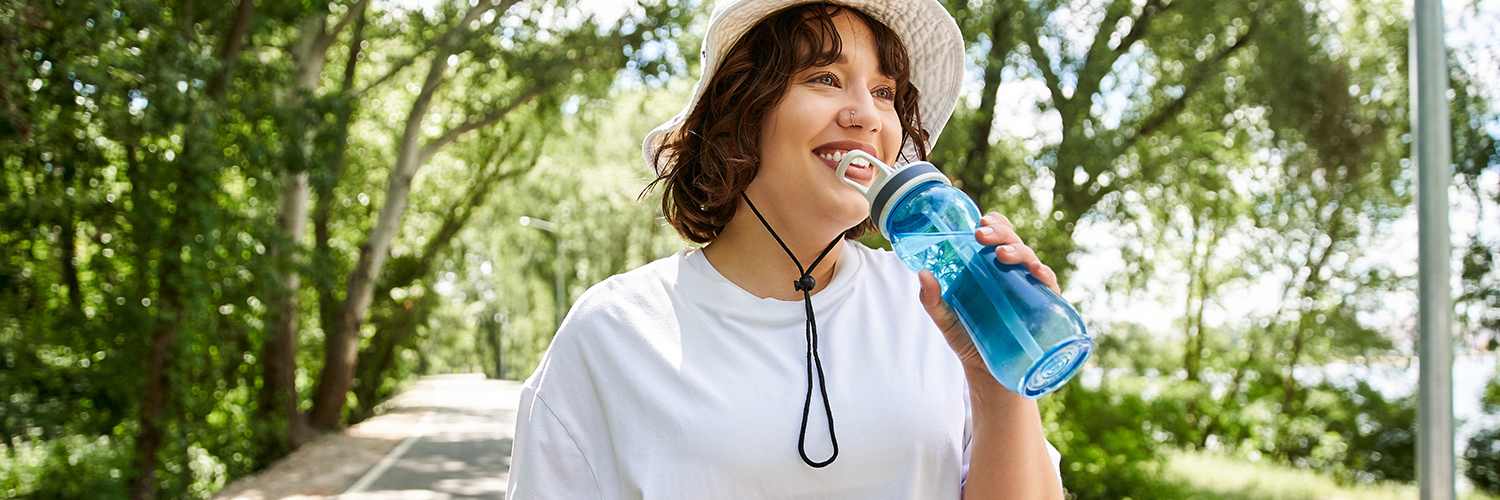
Hydration has become a hot topic following the FIFA Club World Cup, where mandatory hydration breaks were introduced to help protect players competing in extreme heat. While elite athletes may have scheduled opportunities to rehydrate, the conversation has prompted many people to ask a simple question: How much water should you drink in a day?
The answer depends on your age, activity level, the weather and your overall health. While there’s no one-size-fits-all recommendation, drinking enough water throughout the day is one of the easiest ways to support your health.
Whether you’re exercising, spending time outdoors or simply trying to feel your best, here’s what you should know about staying hydrated.
In this article, you’ll learn:
- How much water you should drink each day
- The best ways to stay hydrated
- Signs of dehydration to watch for
- The best drinks for dehydration
- When you may need more water than usual
How Much Water Should You Drink in a Day?
One of the most common questions primary care doctors hear is, “How much water should I drink every day?”
You’ve probably heard the “eight glasses a day” rule, but hydration isn’t that simple. The amount of water your body needs varies from person to person.
Factors that affect your daily needs include:
- Age
- Body size
- Physical activity
- Outdoor temperature and humidity
- Pregnancy or breastfeeding
- Illness, including fever, vomiting or diarrhea
According to the National Academies of Sciences, Engineering and Medicine, an average daily fluid intake is approximately:
- Women: About 11.5 cups per day
- Men: About 15.5 cups per day
These totals include water, other beverages and water-rich foods like fruits and vegetables. You typically get about 20 percent of the water you need from the food you eat. Taking that into account, women need about nine cups of fluid per day and men need about 13 cups in order to help replenish the amount of water that is lost.
For most healthy adults, drinking regularly throughout the day and responding to your thirst is a practical approach to staying hydrated.
Is Eight Glasses of Water a Day Really Enough?
The “8×8 rule” — drinking eight 8-ounce glasses of water each day — is easy to remember, but it’s not a medical recommendation.
Some people need more, while others may need less.
Rather than focusing on a specific number, pay attention to your body’s signals. If you’re rarely thirsty and your urine is a pale yellow color, you’re likely getting enough fluids.
What’s the Best Way to Stay Hydrated?
Hydration isn’t just about drinking a large bottle of water once or twice a day. It’s about replacing fluids consistently throughout the day.
Simple habits that can help include:
- Drink a glass of water when you wake up.
- Keep a reusable bottle nearby.
- Drink water with meals and snacks.
- Eat foods with a high water content, such as watermelon, cucumbers, oranges and strawberries.
- Drink before, during and after exercise.
- Set reminders if you tend to forget.
Like the hydration breaks used during athletic events, taking your own “water breaks” throughout the day can make staying hydrated feel effortless.
What Are the Signs of Dehydration?
Dehydration happens when your body loses more fluids than it takes in.
Early signs include:
- Feeling thirsty
- Dry mouth
- Headache
- Fatigue
- Dizziness
- Trouble concentrating
- Dark yellow urine
More severe dehydration may cause:
- Very little urine
- Rapid heartbeat
- Confusion
- Fainting
Young children, older adults and people who spend long periods outdoors are at higher risk for dehydration and heat-related illness.
A Simple Hydration Check
One of the easiest ways to gauge your hydration is by looking at your urine.
- Pale yellow: Usually well hydrated
- Dark yellow or amber: Time to drink more fluids
While not perfect, this simple check can help you monitor your hydration throughout the day.
What Are the Best Drinks for Dehydration?
For most people, plain water is the best choice.
Other good options include:
- Low-fat or fat-free milk
- Coconut water
- Herbal tea
- Low-sugar broths
- Oral rehydration solutions when you’re sick with vomiting or diarrhea
Sports drinks may be helpful after prolonged, intense exercise or heavy sweating because they replace electrolytes, but they aren’t necessary for most daily activities and may contain added sugar.
Energy drinks should never be used to treat dehydration.
Does Coffee or Tea Count Toward Your Water Intake?
Yes.
Coffee, tea and other beverages contribute to your daily fluid intake.
Although caffeine has a mild diuretic effect, research shows that moderate amounts of coffee and tea are still hydrating for most healthy adults. That said, water should remain your primary source of hydration.
Can You Drink Too Much Water?
Yes — but it’s uncommon.
Drinking excessive amounts of water in a short period of time can dilute sodium levels in the blood, a condition called hyponatremia.
This is most likely to occur during endurance events or when someone drinks far beyond what their body needs.
For most people, drinking when thirsty and during meals helps avoid both dehydration and overhydration.
When Should You Drink More Water?
Your body needs extra fluids in certain situations.
You may need to drink more if you:
- Exercise or play sports
- Spend time outside on hot or humid days
- Have a fever
- Are vomiting or have diarrhea
- Are pregnant or breastfeeding
Planning ahead and taking regular hydration breaks can help prevent dehydration before it starts.