

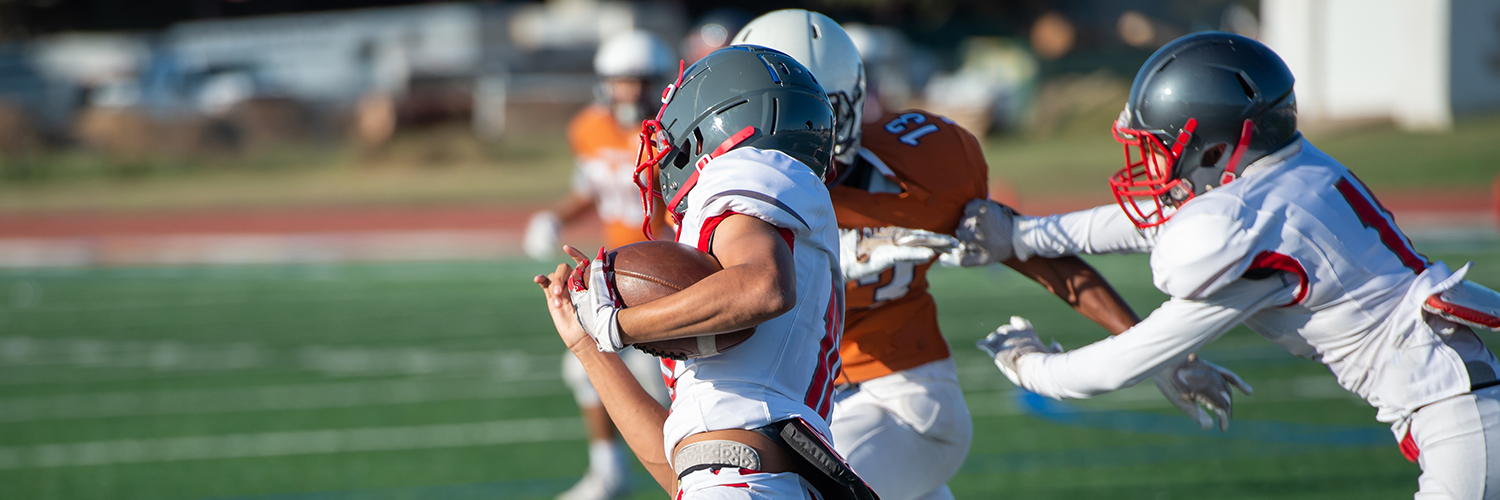
Back-to-school means football season is here. For many families, that means practices, games and time spent cheering from the sidelines. Football is a great way for kids to stay active, build confidence and learn about the importance of teamwork. While football has many positive aspects, there is always the risk of common football injuries.
How Can Parents Help Prevent Football Injuries?
The good news is that while no sport is completely injury-free, many youth football injuries can be reduced with proper preparation, the right equipment, stretching and warming up, and early evaluation and treatment when injuries occur.
Why Kids are More Likely to Get Sports Injuries
Children’s bones, muscles and joints are still developing, which means they can experience different injuries than adult athletes.
One area of concern is the growth plate, the soft cartilage part of the bone where growth occurs. Because growth plates are more fragile than the surrounding hard bone, they may be more vulnerable to injury. A force that causes a ligament sprain in an adult may cause a growth plate fracture in a child.
Young athletes are also more likely to experience muscle strains and overuse injuries as their bodies grow and adapt to the demands of sports. This is especially true because bones often grow faster than muscles and tendons, causing them to become tight.
Common Football Injuries in Kids
Some football injuries in children happen suddenly during a tackle, collision or fall. Others develop slowly from repeated stress during practices and games.
Common youth football injuries include:
- Concussions. A concussion is a type of brain injury caused by a bump, blow or jolt to the head or body. Symptoms may include headache, dizziness, confusion, nausea, sensitivity to light or difficulty concentrating. Any athlete with a suspected concussion should be removed from play immediately and evaluated by a healthcare provider.
- Sprains and strains. Ankle sprains, knee injuries, hamstring strains and muscle pulls are some of the most common injuries seen in young football players.
- Broken bones and growth plate injuries. Falls and collisions can lead to fractures of the wrist, collarbone, fingers , ankles or growth plates. Because children’s bones are still developing, these injuries should be evaluated by a medical professional.
- Overuse injuries. Playing football year-round without enough recovery time can contribute to tendon irritation, stress fractures and other overuse injuries.
How to Prevent Football Injuries
While injuries cannot always be avoided, parents, coaches and athletes can take steps to make football safer.
Wear Properly Fitted Equipment
Helmets, shoulder pads, mouthguards and cleats should fit correctly every season. Equipment that is too large, too small or worn out may not provide the protection young athletes need.
It’s also important to remember that while helmets help protect against serious head injuries, they do not prevent all concussions.
Parents can also learn more about injury prevention, conditioning and sports safety through Stony Brook Medicine’s Safe Sports resources.
Focus on Safe Tackling
Learning proper tackling techniques is an important part of youth football safety. Coaches should teach players to keep their heads up, avoid leading with the helmet and use safe body positioning during contact.
Stay Strong and Conditioned
Players who prepare their bodies before the season are often better able to handle the physical demands of football.
Warm-ups, strength training, flexibility exercises and conditioning help prepare muscles and joints for running, tackling and quick changes in direction.
Make Rest Part of Training
Rest is just as important as practice. Playing multiple sports or participating in year-round football without enough recovery time can increase the risk of overuse injuries.
Young athletes should also stay hydrated, eat balanced meals and get enough sleep to support recovery and performance.
When Should Children See a Doctor?
Many children want to “play through the pain,” but pain is the body’s way of signaling that something may be wrong.
A child should be evaluated by a healthcare provider if they have:
- Pain that does not improve after a few days
- Significant swelling
- Trouble walking or using an arm
- A visible deformity
- A head injury with concussion symptoms
- Pain that returns every time they play
Early evaluation can help identify injuries sooner and prevent a minor problem from becoming a more serious one.
Families can learn more about evaluating and treating sports injuries through Stony Brook Medicine’s sports injury resources.
Returning to Football Safely
One of the biggest mistakes I see in young athletes is returning to sports too soon.
Even if a child says they feel better, bones, muscles and ligaments may still be healing. Returning before an injury has fully recovered can increase the risk of another injury.
A safe return to football should happen gradually. Young athletes should have restored strength, normal movement and medical clearance when appropriate before returning to full participation.
The Bottom Line on Football Injury Prevention
Football provides children with many physical, social and emotional benefits. With the right precautions, most young athletes can enjoy the sport safely.
The best way to prevent football injuries in kids is to focus on proper conditioning, well-fitted equipment, safe tackling techniques and adequate rest.
Parents should take injuries seriously, especially concussions, growth plate injuries and pain that does not improve. When injuries are recognized early on and treated appropriately, young athletes are more likely to recover fully and return to the sports they love safely.