
Most kids complain about sore legs from time to time. After a busy day of running, jumping and playing, a little ache before bedtime seems totally normal. Often, it is. These aches are commonly called “growing pains,” and they’re a regular part of childhood for many children.
But sometimes leg or joint pain points to something more serious — like juvenile arthritis. Juvenile arthritis symptoms can look a lot like ordinary growing pains at first. Knowing the difference helps parents act quickly when it matters.
This article explains what growing pains are, the warning signs of juvenile arthritis and when to see a doctor. The earlier juvenile arthritis is found, the better the outcome for your child.
What Are Growing Pains?
Growing pains are aches that usually show up in a child’s legs. They tend to affect the muscles, not the joints, and they often appear in the late afternoon or at night. Despite the name, growing pains aren’t actually caused by bones growing.
These pains are most common in children between the ages of three and 12. Growing pains often come and go over time. Some children experience them several times a week, while others only have occasional episodes.
Most children outgrow growing pains by their early teen years.
Symptoms of Growing Pains
Growing pains have a few telltale features. They usually:
- Affect both legs, not just one
- Cause a general ache that spreads across the whole leg, rather than pain in one specific spot
- Happen in the evening or at night, often waking a child from sleep
- Feel better by morning, with no swelling, redness or limping
- Improve with gentle massage, stretching or a warm bath
Children with growing pains can usually run and play normally during the day. The pain doesn’t slow them down or change how they move. They also do not have symptoms like fevers or weight loss.
What Causes Growing Pains?
Doctors still don’t know exactly what causes growing pains. Over the years, researchers have explored several possible explanations, including muscle fatigue after a busy day of activity, differences in how some children experience pain, vitamin D deficiency and joint hypermobility (extra-flexible joints). Some experts have also looked at whether stress or emotional factors may play a role.
While there are several theories, no single cause has been proven. Growing pains are generally harmless and do not signal any underlying disease.
When Leg Pain May Be More Than Growing Pains
Most leg pain in kids is nothing to worry about. But certain signs suggest it’s time to check with a doctor. Pay attention if your child has:
- Stiffness in the morning. A child may move slowly after waking up. Younger kids who already walk might crawl or ask to be carried instead.
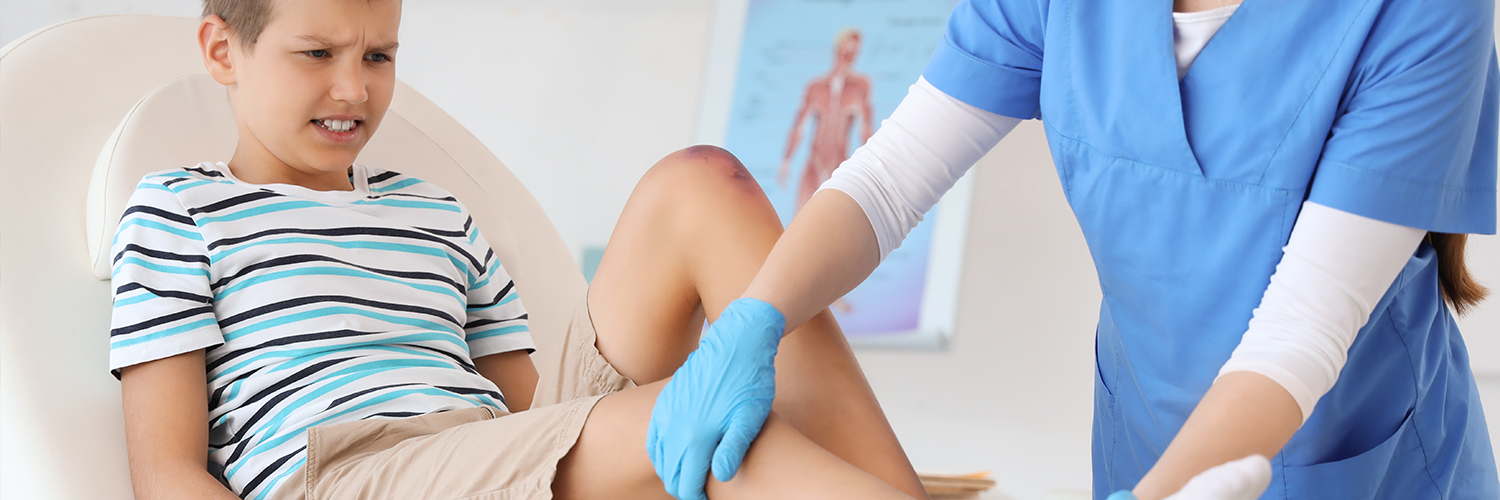
- Warm, swollen or tender joints. The knees and ankles are the most common spots, but other joints can be affected too.
- Pain in just one joint or limb, rather than both legs.
- Fatigue, weight loss, poor appetite or a slower activity level.
- A limp or trouble using a joint that lasts more than a few days.
If you notice any of these signs, talk to your pediatrician. They can help figure out what’s really going on or refer you to a specialist.
Growing Pains vs. Juvenile Arthritis: Key Differences
Here’s a quick side-by-side comparison to help you spot the difference:
| Feature | Growing Pains | Juvenile Arthritis |
| Location | Both legs, muscles | Specific joints (often knees, ankles) |
| Timing | Evening and nighttime | Worse in the morning |
| Stiffness | None | Morning stiffness is common |
| Swelling | None | Warm, swollen or tender joints |
| Daytime activity | Plays normally | May limp or move slowly |
| Other symptoms | None | Fatigue, weight loss, low appetite |
What Is Juvenile Idiopathic Arthritis (JIA)?
Juvenile Idiopathic Arthritis (JIA) is the medical term for arthritis in children. “Idiopathic” simply means the exact cause is unknown. JIA happens when the immune system mistakenly attacks the joints, causing inflammation, pain and stiffness.
The most important thing about JIA is to diagnose and treat it early. Left unchecked, it can cause serious, irreversible problems, including joint damage/erosions, limb length discrepancy (where one leg is longer than the other), joint contractures (or the inability to fully straighten a joint) and subsequent disability. Catching it early makes a huge difference.
Who Is More Likely to Have Juvenile Arthritis?
Arthritis can affect people of all ages, including children and adolescents, although it has not always been widely recognized in younger populations.
According to the Centers for Disease Control and Prevention (CDC), about 220,000 children and adolescents in the United States are living with arthritis. The condition is more commonly seen in older teens compared to younger children.
The CDC also reports that juvenile arthritis is more common among:
● Non-Hispanic Black youth
● Children with anxiety or depression
● Children with low physical activity levels
● Children who are overweight
● Children with heart conditions
● Children living in households affected by food insecurity
● Children exposed to tobacco smoke
Diagnosing Juvenile Arthritis
There is no single lab test that confirms JIA. Instead, doctors call it a “diagnosis of exclusion,” which means they rule out other illnesses first.
To diagnose JIA, a pediatric rheumatologist will:
- Take a thorough medical history
- Perform a careful physical exam of the joints
- Order blood tests and other labs to rule out different diseases
Doctors often follow a child to see if they have signs/symptoms of joint inflammation for about six weeks before confirming the diagnosis. Once JIA is confirmed, treatment starts right away.
Treatment Options for Juvenile Arthritis
Treatment depends on how severe the arthritis is and may include:
- Intra-articular steroid injections to decrease inflammation by directly injection steroid into the affected joint
- Non-steroidal anti-inflammatory drugs (NSAIDs) to ease swelling and discomfort
- DMARDs (disease-modifying drugs) which are divided into categories:
- Conventional DMARDs, such as methotrexate, which control the disease and prevent joint damage
- Biologic DMArds, such as anti-TNF drugs, which have been shown to control the disease and prevent joint and have long-standing rates of success in controlling JIA
- Small molecule drugs, such a JAK inhibitors, a newer class of drugs, which have been recently approved by the U.S. Food and Drug Administration for the treatment of JIA
- Conventional DMARDs, such as methotrexate, which control the disease and prevent joint damage
These treatments have changed lives. Children with JIA who once might have needed a wheelchair in the past are now walking, running and playing right alongside their friends.
Care also involves a team approach, such as:
- Physical therapists who help with range of motion and muscle strengthening
- Pediatric eye doctors who screen for uveitis or eye inflammation, and
- Orthopedic specialists who may assist in refractory cases
These healthcare providers all work together to support your child.
Frequently Asked Questions
Are growing pains a real thing?
Yes. Growing pains are common muscle aches in children, typically felt in both legs and often occurring at night. They are harmless and do not cause lasting damage, even though they aren’t actually caused by bones growing.
At what age do growing pains happen?
Growing pains are most common in children between the ages of three and 12 years of age. They tend to come and go over months or even years.
When should I take my child to the doctor for leg pain?
See a doctor if your child has prolonged morning stiffness, a swollen or warm joint, pain in just one limb, a limp or symptoms like fatigue and weight loss. These signs may point to something more than growing pains.
Is juvenile arthritis common?
Yes, more than many people realize. About one in 1,000 children is diagnosed with juvenile arthritis, which is why awareness is so important.
Can a child outgrow juvenile arthritis?
Some forms of JIA can be outgrown with the right treatment, while others cannot. Children have the best outcome when treatment starts early, so a timely diagnosis matters a great deal.
Know the Signs of Growing Pains vs. Juvenile Arthritis
Growing pains are a normal part of childhood for many kids, and most leg aches are nothing to worry about. The key is knowing the warning signs. If your child wakes up stiff, has a swollen joint or limps during the day, don’t brush it off as growing pains — reach out to your pediatrician.
Early diagnosis and treatment give children with juvenile arthritis the best chance at a full, active life. Trust your instincts, ask questions and get the care your child needs.