

As we age, many of us assume that worsening hearing and vision are to be expected. But emerging research reveals something remarkable: maintaining vision and hearing are among the most important steps we can take to protect our brains and reduce the risk of developing dementia.
A U.S. population-based study of over 5 million people found that older adults with hearing impairment had double the odds of cognitive impairment. Findings like this suggest that untreated hearing loss may be linked to changes in how the brain processes information over time.
This article explains how hearing and vision loss may affect dementia risk, why these connections exist and how treating hearing and vision problems may help support long-term brain health.
The Link Between Hearing Loss and Dementia
Hearing loss has been increasingly studied in relation to brain health, and research shows a clear association between hearing ability and cognitive function.
Hearing loss is particularly problematic because it’s so common.
- More than two thirds of adults over 60 have some form of clinically significant hearing loss.
- In fact, hearing loss has been identified as one of the largest potentially modifiable risk factors for dementia, accounting for 7 percent of all dementia cases.
- A recent review found that each 10-decibel worsening of hearing was associated with a 16 percent increase in dementia risk.
Why Would Hearing Loss Contribute to Dementia?
Scientists have identified several ways this may occur.
When it’s hard to hear clearly, the brain may need to expend more effort just processing sounds. That can take away from other mental tasks like holding on to information in the moment and contributing to the conversation.
In addition, when people have difficulty hearing, they may withdraw from social situations. How often have you or your friends declined a dinner invitation to a “noisy restaurant”? Social engagement is crucial for maintaining brain health, and social isolation can accelerate cognitive decline.
Vision Loss and Dementia Risk
As with hearing loss, visual impairment is also associated with increased risk of dementia. Among specific causes of vision loss, cataracts and retinopathy have both appeared to increase risk.
How Vision Problems May Affect Cognitive Health
Researchers continue to study the relationship between vision and brain health. While the exact mechanisms are still being explored, studies consistently show an association between visual impairment and an increased risk of cognitive decline and dementia.
Can Treating Hearing and Vision Problems Help?
The good news is that treatment of hearing and vision problems may help.
Research has shown:
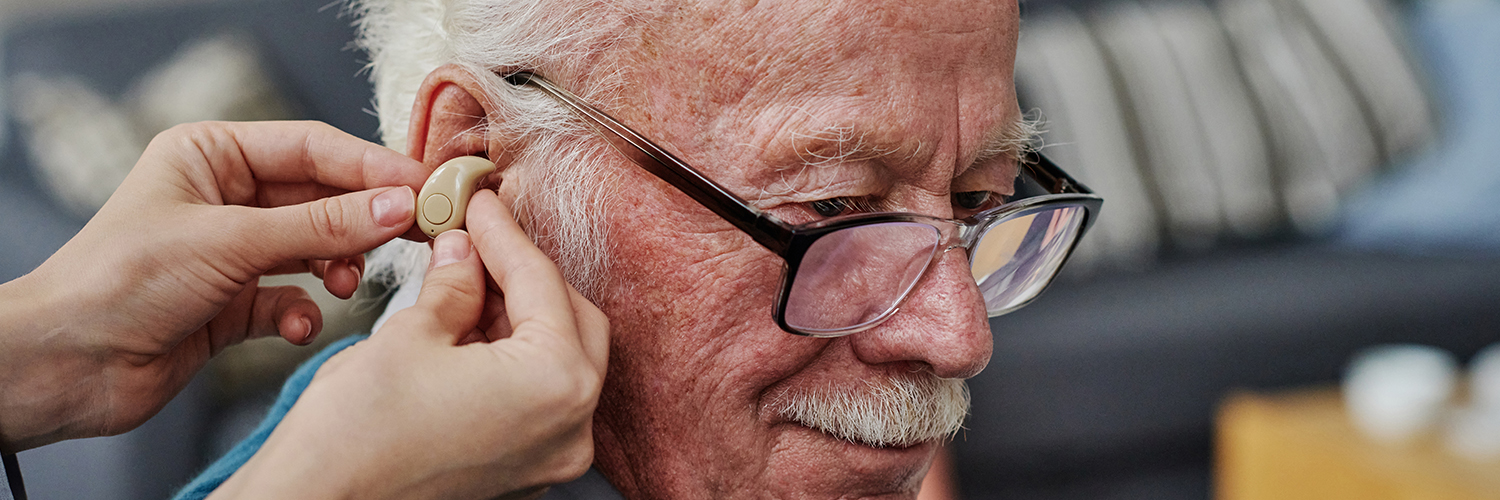
- The use of hearing aids in those who need them was associated with a 19 percent reduced risk of dementia and long-term cognitive decline compared to those with untreated hearing loss.
- Another study found that cataract removal was associated with reduced risk of developing dementia.
These findings suggest that addressing hearing and vision problems may have benefits that extend beyond improving daily function and quality of life.
Protecting Your Hearing, Vision and Brain Health
While no single step can completely prevent dementia, maintaining good hearing and vision may be an important part of supporting long-term cognitive health.
Because hearing and vision loss often develop gradually, it’s important to pay attention to changes that may affect daily life. Early evaluation and treatment may help improve communication, independence and overall quality of life.
Everyday Steps for Healthier Hearing and Vision:
- Scheduling regular hearing evaluations
- Having routine eye examinations
- Discussing hearing aids with your healthcare provider if hearing loss is identified
- Seeking treatment for cataracts and other vision conditions when appropriate
- Staying socially engaged and connected with others
Taking care of our eyes and ears now may be an investment in our brain health for years to come.