

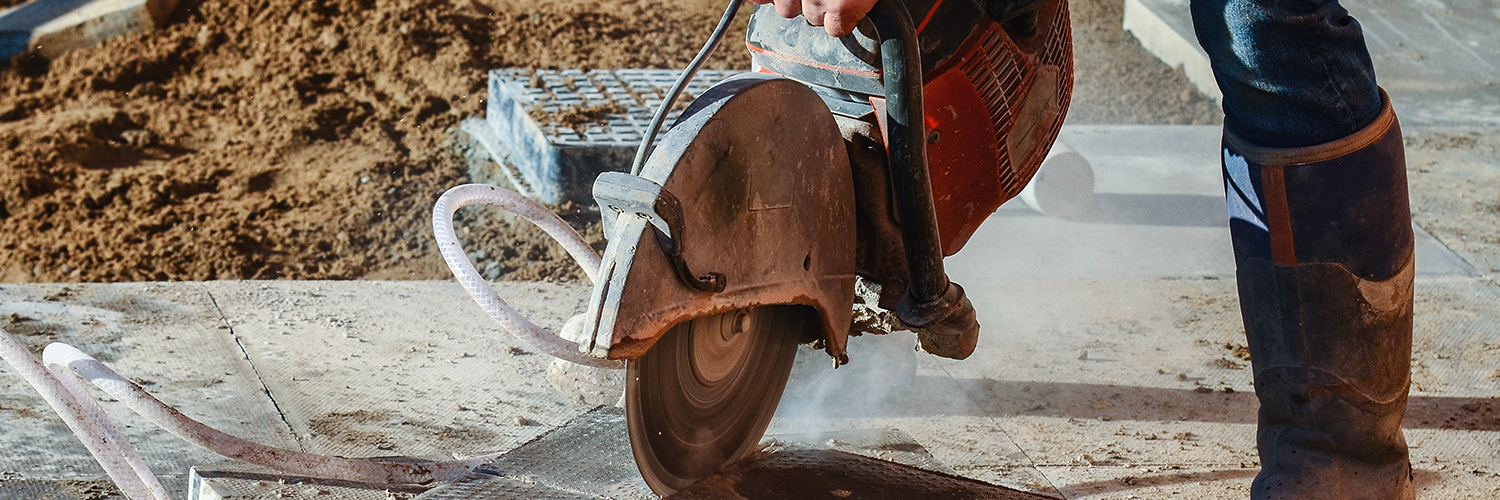
Silicosis is a serious lung disease that is often overlooked, yet it has significant, lasting impacts on those affected. It is a disease that develops slowly after exposure to crystalline silica triggers inflammation and scarring that over time can stiffen the lungs.
Although silicosis has been known about for many years, it is getting renewed attention as more workers are being diagnosed with it. A major driver is growth of engineered-stone (quartz) countertops, which can contain more than 90 percent crystalline silica. Cutting, grinding, drilling, edge-profiling and polishing these slabs can generate extremely high levels of respirable silica without the right controls.
This article covers what silicosis is, its causes and symptoms and the steps you can take to prevent and manage the disease.
What Is Silicosis?
Silicosis is a lung disease caused by inhaling tiny particles of silica dust, a mineral found in materials like sand, stone, quartz and concrete. These particles settle deep in the lungs, causing inflammation and scar tissue (fibrosis), which stiffens the lungs and impairs breathing.
It is considered an occupational lung disease — most cases occur at job sites with high dust exposure, such as construction, mining and manufacturing.
The disease is permanent and can worsen even after exposure stops.
What Causes Silica Dust Exposure?
Exposure happens mainly during tasks like cutting, grinding, drilling or polishing stone or concrete. Inhaling respirable crystalline silica, a substance recognized as a carcinogen, can lead to serious health problems besides silicosis including, lung cancer, progressive massive fibrosis, chronic bronchitis and kidney disease.
The U.S. Department of Labor’s Occupational and Safety Administration (OSHA) estimates that approximately 2.3 million U.S. workers are exposed to crystalline silica-containing dust at work.
At-risk workers include:
- Construction and demolition workers
- Roadwork and highway repair
- Tile and flooring installation
- Mining and quarry workers
- Sandblasters
- Stone countertop fabricators
- Masonry and concrete workers
Especially hazardous are engineered stone countertops, which may contain over 90 percent of crystalline silica, according to the CDC. Working with these materials generates clouds of fine, invisible dust that easily bypasses natural defenses and is inhaled deep into the lungs. Poor ventilation and lack of protective equipment make the risk greater.
Types of Silicosis
Doctors generally describe three main types of silicosis based on how much silica dust a person breathes in and how quickly symptoms develop.
1. Chronic Silicosis
Chronic silicosis is the most common form of the disease. It usually develops after 10 to 30 years of repeated exposure to silica dust at work.
In the early stages, people may not notice symptoms. Over time, scar tissue builds up in the lungs and breathing problems may begin.
Common symptoms include:
- Persistent cough
- Shortness of breath during activity
- Fatigue
- Chest discomfort
As chronic silicosis progresses, lung damage can make it harder for oxygen to move through the body.
2. Accelerated Silicosis
Accelerated silicosis develops faster than the chronic form, usually within five to 10 years of heavy silica dust exposure.
This form is often seen in workers who are exposed to high levels of crystalline silica, such as those cutting or grinding engineered stone or working in certain mining or construction environments.
Early symptoms can include:
- Severe shortness of breath
- Ongoing cough
- Rapid loss of lung function
Accelerated silicosis tends to progress more quickly than chronic silicosis.
3. Acute Silicosis
Acute silicosis is the rarest but most severe form of the disease. It can develop after very high levels of silica dust exposure over a short period of time, sometimes within a few months to a few years. Symptoms may appear suddenly and worsen quickly.
Possible symptoms include:
- Severe shortness of breath
- Extreme fatigue
- Chest pain
- Rapid breathing
Acute silicosis can lead to serious lung damage and may become life-threatening if not treated.
Regardless of the type, silicosis is a progressive lung disease, meaning it can worsen over time. Advanced cases can also cause frequent lung infections and an increased risk of lung cancer, Chronic Obstructive Pulmonary Disease (COPD) and tuberculosis. Early diagnosis and stopping exposure to silica dust are critical steps in slowing the disease and protecting lung health.
How Much Exposure Is Dangerous?
Risk depends on how much silica dust you inhale, how long and often you’re exposed and whether protection is used. Chronic silicosis generally develops after years of low-level exposure, but high concentrations can cause acute silicosis in just months or a few years.
Dust particles are tiny — often 100 times smaller than sand grains — so you can breathe in dangerous amounts even if the air looks clear.
Can Silica Dust Be Removed From the Lungs?
Unfortunately, once breathed in, silica particles cannot be cleared from lung tissue. The lungs cannot break down or expel these particles; instead, they trigger ongoing inflammation and scarring. That’s why preventing exposure is the best way to protect lung health.
Symptom Treatment for Silicosis
There is no cure for silicosis, but treatment can relieve symptoms and reduce complications. Care may include:
- Medications (like bronchodilators)
- Oxygen therapy
- Pulmonary rehabilitation
- Prompt treatment of lung infections
- In rare, severe cases, lung transplants
Regular checkups help monitor disease progression. Early diagnosis is crucial, as avoiding further dust exposure can slow down lung damage.
How Long Can You Live with Silicosis?
How long someone lives with silicosis varies. Mild cases may be manageable for years. Advanced or acute forms can lead to severe breathing problems and a shorter lifespan. Factors affecting outlook include:
- Severity of lung damage
- Continued exposure to silica
- General health and medical care
- Status (which worsens lung damage)
Eliminating any further silica exposure is the most important step after diagnosis.
How to Prevent Silica Dust Exposure
Silicosis is preventable. OSHA requires employers to protect workers from silica dust exposure but you can be even more vigilant by following these safety steps:
- Avoid working in visible dust whenever possible.
- Air monitoring can help measure dust levels on job sites.
- Control dust at the source:
- Use water sprays or wet cutting and drilling.
- Install local exhaust ventilation and dust-collecting systems.
- Clean up safely:
- Clean with HEPA-filter vacuums or wet mops, not dry sweeping.
- Clean with HEPA-filter vacuums or wet mops, not dry sweeping.
- Wear proper respirators:
- Your employer must provide respirators approved by the National Institute for Occupational Safety Health (NIOSH) when dust can’t be controlled.
- Respirators must fit properly; facial hair can prevent a good seal.
- Practice good hygiene:
- Avoid eating, drinking or using tobacco in dusty areas.
- Change into clean clothes and shower before leaving work to keep dust out of cars and homes.
- Park vehicles away from dust.
When To Seek Care And Where To Get Specialized Help
If you have worked (or currently work) with stone, engineered stone, concrete, brick, mortar, tile, or abrasive blasting, and you develop persistent cough, shortness of breath or unusual fatigue, tell your doctor about your work and dust exposure history. Occupational history is a key step in recognizing and preventing further harm.
For people with suspected occupational lung disease or lung scarring, specialty evaluation can be helpful. Stony Brook Medicine offers a multidisciplinary Center for Interstitial Lung Disease that evaluates and treats many causes of interstitial lung disease (lung scarring), coordinating care across relevant specialties.