

Lyme disease is the most common tick-borne illness in the United States, caused by the Borrelia burgdorferi bacteria. It’s transmitted through the bite of black-legged ticks (deer ticks) and can lead to serious health complications if not diagnosed and treated early.
While Lyme disease is most prevalent in the Northeast, Upper Midwest and Pacific Northwest of the U.S., cases are reported across the country. Early detection of Lyme disease—including recognizing symptoms and seeking medical care right away—can help prevent long-term health issues.
What Is Lyme Disease?
Lyme disease is a bacterial infection spread through the bite of infected black-legged ticks. Once in the body, the bacteria can affect multiple systems, including the skin, joints, nervous system and heart.
Key Facts About Lyme Disease:
- The CDC estimates that about 470,000 people are diagnosed and treated for Lyme disease each year in the U.S.
- Most infections occur in spring and summer when ticks are most active and people spend more time outdoors.
- Ticks must be attached to someone’s body for 36-48 hours for Lyme disease transmission to occur.
- Not everyone with Lyme disease develops a “bullseye rash,” which can make a diagnosis more challenging. About 20-30 percent of people with Lyme disease do not develop the rash.
What Are the Symptoms of Lyme Disease?
Early Symptoms (Stage 1: Days to Weeks After a Tick Bite)
Symptoms of early Lyme disease can resemble the flu and may include:
- Erythema migrans rash: A circular or bullseye-shaped rash at the bite site (appears in about 70–80 percent of cases)
- Fever and chills
- Fatigue and weakness
- Headache
- Muscle aches and joint pain
- Swollen lymph nodes
Later Symptoms (Stage 2-3: Weeks to Months After Infection)
If untreated, Lyme disease can spread and cause:
- Severe joint pain and swelling (Lyme arthritis)
- Neurological issues (facial paralysis, numbness, tingling, memory problems)
- Heart palpitations or Lyme carditis
- Severe fatigue and cognitive difficulties (brain fog)
Chronic Symptoms (Post-Treatment Lyme Disease Syndrome, or PTLDS)
Some people continue to experience lingering symptoms even after treatment, including:
- Chronic fatigue
- Muscle and joint pain
- Memory or concentration issues
How Soon Do Symptoms Appear?
Lyme disease symptoms can appear 3 to 30 days after a tick bite, depending on the individual and the stage of infection. Bullseye rashes most often appear after about seven days.
Can You Get Lyme Disease Without Seeing a Rash?
Yes. Not all patients with Lyme disease will develop a classic bullseye rash. Some experience only flu-like symptoms, joint pain or weakness, which can sometimes be mistaken for other illnesses.
If one does get a rash, it typically appears and will expand with a ring around it. But not all rashes look the same.
How Do You Get Lyme Disease?
Lyme disease is transmitted when an infected black-legged tick (deer tick) bites a human. Ticks are most active in the spring and summer, but they can also be found year-round in milder climates when the temperature is above forty degrees.
The types of ticks that spread Lyme disease thrive in:
- Wooded and grassy areas, such as along hiking trails
- Leaf piles and brush, including in people’s yards
- Humid environments
Is Lyme Disease Contagious?
No, Lyme disease does not spread from person to person. It can only be transmitted through the bite of an infected tick.
How Is Lyme Disease Diagnosed?
Since Lyme disease symptoms can mimic other illnesses, early detection is important to avoid complications. When someone suspects they may have Lyme disease, a healthcare provider will assess their symptoms, medical history and potential tick exposure.
A diagnosis of Lyme disease can include:
- Physical exam: Checking for rashes and symptoms.
- Blood tests: Two-step testing with ELISA and Western blot can confirm an infection after the body has enough time to create antibodies, usually 30 days after a bite.
- Patient history: Travel to tick-infested areas increases risk.
What Are the Treatment Options for Lyme Disease?
The primary treatment for Lyme disease is antibiotics, which are most effective when started early. The specific course of antibiotics, in addition to other potential treatments, depends on the stage of Lyme disease.
- Within 72 hours after exposure: A single dose of doxycycline can be taken within 72 hours of tick removal, if the tick is identified as a deer tick and was attached for at least 36 hours.
- Early-stage treatment: Doxycycline or amoxicillin taken for 10-21 days.
- Advanced cases: IV antibiotics may be required for severe neurological or heart-related symptoms.
- Post-Treatment Lyme Disease Syndrome (PTLDS): Symptoms may persist despite treatment, requiring supportive care such as physical therapy and pain management.
Can Lyme Disease Be Cured?
Yes, with early and appropriate antibiotic treatment, most people (about 90 percent) recover fully from Lyme disease. However, if Lyme disease is left untreated, complications can develop, which sometimes requires longer-term management.
What Happens If Lyme Disease Is Left Untreated?
If Lyme disease is not diagnosed and treated early, it can lead to:
- Chronic joint pain (Lyme arthritis)
- Neurological problems (numbness, tingling, facial palsy, memory issues)
- Heart inflammation (Lyme carditis)
- Severe fatigue and cognitive impairment
These complications can persist for months or years, reinforcing the importance of early detection and treatment.
Can Lyme Disease Be Prevented?
Yes! The best way to prevent Lyme disease is to reduce tick exposure and take preventative measures, including:
- Wear protective clothing: Long sleeves, pants and high socks pulled up over pant legs should be worn in tick-prone areas. Put clothes in the dryer for 15 minutes on high heat immediately upon coming in from outdoors; heat will kill any ticks on clothing. Then wash the clothes in warm or hot water and laundry detergent.
- Use EPA-approved insect repellents: Look for repellents containing DEET, picaridin or oil of lemon eucalyptus. Spray permethrin on shoes and clothes in a well-ventilated area and let them dry in the sun.
- Perform regular tick checks: Examine your and your children’s bodies after outdoor activities, especially in the scalp, armpits, and behind the knees where ticks tend to attach.
- Shower after outdoor activities: This can help remove unattached ticks.
- Properly remove ticks: Use fine-tipped tweezers to carefully pull ticks straight out without twisting. If bitten, removing a tick within 24 hours significantly reduces the risk of Lyme disease transmission.
How Should You Remove a Tick?
It’s ideal to remove a tick as soon as possible, ideally within 36 hours.
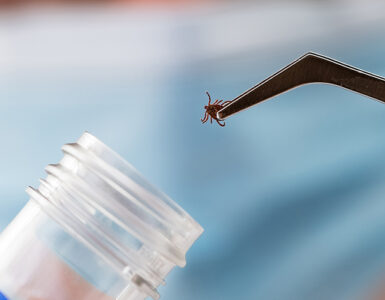
- Grab the tick at the head and as close to the skin as possible using fine-tipped tweezers.
- Pull the tick up and straight out.
- If a small part remains in your body, don’t worry—your body will naturally expel it.
If the tick is not engorged or was only attached for a short time, the risk of infection is much lower. Quick removal greatly reduces the chances of contracting Lyme or another tick-borne disease.
When Should You Seek Medical Attention?
You should see a doctor if you experience:
- A rash after a tick bite
- Flu-like symptoms (fever, chills, fatigue, headache, muscle aches)
- Joint pain or swelling
- Neurological symptoms (facial paralysis, memory problems, dizziness)
Early intervention for Lyme disease makes all the difference—so don’t wait to seek care. If you have questions or need guidance, speak with an expert for an evaluation and advice.
If you’re concerned about a recent tick bite, Lyme disease symptoms or exposure, schedule a consultation at the Stony Brook Regional Tick-Borne Disease Resource Center. For adult appointments at the clinic in Hampton Bays, please call (631) 725-2112. Children’s appointments can be scheduled at (631) 444-KIDS (5437).
This specialized clinic, which is the first and only dedicated Tick-Borne Disease Clinic in the Northeast, provides:
- Infectious disease specialists who see adults and children on site
- Expert tick removal, diagnosis and treatment
- Convenient lab services/blood drawing
- Potential opportunity to participate in research studies
- Counseling on tick bite prevention, tick identification, tick removal kits and Tick-Borne Disease Reference Handbooks