
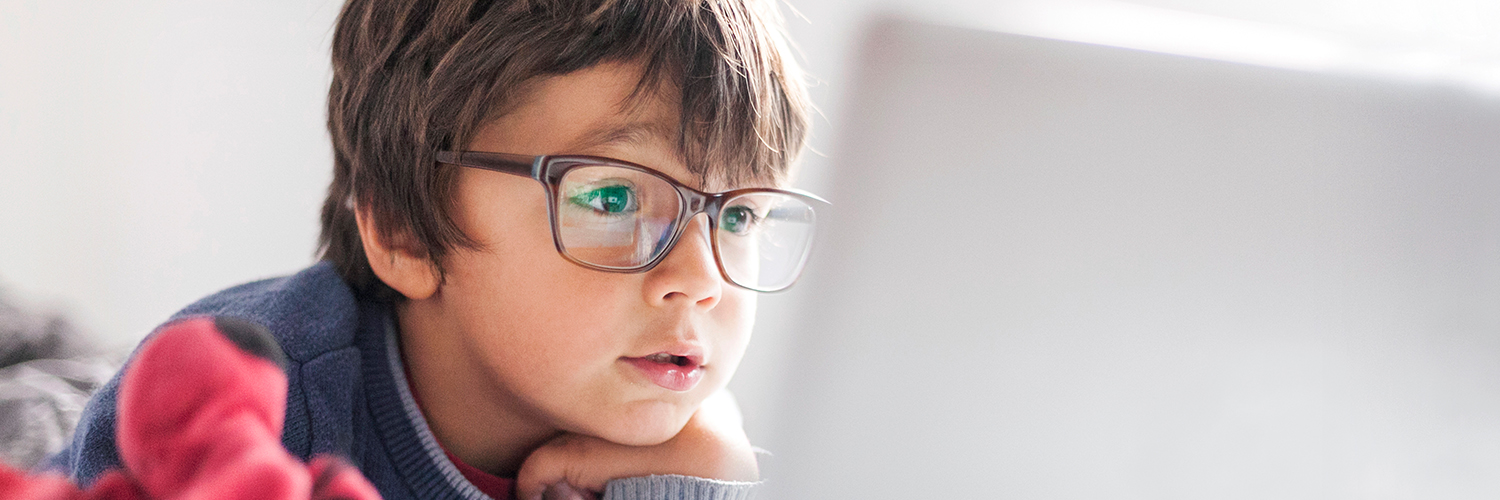
Myopia, also known as nearsightedness or short-sightedness, is a visual condition where distant objects appear blurry while close ones are clear. In recent years, there’s been an alarming increase in myopia among children, and many experts link this trend to the rise in screen time.
Studies suggest that when young people spend a lot of time focusing on screens, including phones and tablets, it can strain their eyes and potentially lead to worsened myopia.
That is one of my reasons why parents are encouraged to limit children’s screen time. Regular eye exams can also help detect myopia early, allowing for timely corrective measures like glasses or contact lenses.
Signs and Symptoms of Myopia
Myopia happens when the eye is shaped in a way that causes light to focus in front of the retina instead of directly on it. This makes faraway objects look blurry while close-up objects remain clear. It’s usually caused by the eyeball being slightly longer than normal or the cornea being too curved.
It’s common for myopia to develop in children or teenagers and continue to worsen every few months until their early 20s.
Here are some common symptoms of myopia that parents can watch for in their children:
- Blurred vision: Distant objects appear blurry, while nearby objects are seen more clearly
- Squinting: Children may squint frequently to see distant objects more clearly
- Eye strain: Complaining of tired or sore eyes, especially after prolonged reading or screen time
- Headaches: Frequent headaches, which may be due to eye strain from trying to focus on distant objects
- Sitting close to screens: Preference for sitting closer to the television or holding handheld devices very close to their eyes
- Difficulty seeing at school: Problems seeing and copying information from the blackboard or projector screen
Factors Contributing to Rising Myopia Rates
Although the evidence on the connection between screen time and myopia in children is mixed, there’s enough concern for many experts, including the American Optometric Association, to recommend moderated screen use. The risk of myopia developing in part due to excessive screen time has been shown to affect children under 10 years the most.
The World Health Organization encourages parents to have their children take regular breaks from doing “close activities” (those that require looking at things near the face) at least every 20 minutes and to do other activities, including some outdoor time that provides physical activity instead, in order to balance near-vision stress.
In addition to protecting children’s vision, limiting screen use can also help reduce other symptoms like dry eye syndrome, eyestrain, and poor head and neck postures that can cause pain (which is common after using devices while lying down).
Here are recommendations from the American Academy of Pediatrics for children’s screen time, depending on age:
- Children under two years: zero hours (except for video calls)
- 2 to 4 years old: 1 hour per day co-watched with parents
- Children 5 to 17 years old: up to 2 hours per day of leisure screen time
Other Causes of Myopia in Children
Recent research suggests that while digital screen usage is a suspect in rising myopia rates, it is not the only cause. Factors like genetics, overall time spent on close work (including reading), and other environmental factors might also play a role.
How Regular Eye Exams Can Help
Regular eye exams are important for children to ensure early detection and treatment of vision issues, including myopia.
Eye care professionals recommend that children undergo their first comprehensive eye exam by the age of 3, followed by annual check-ups once they begin kindergarten. These routine assessments help not only to correct vision with glasses or contact lenses, but also to manage the progression of eye conditions and support children’s overall academic success.
At Stony Brook Pediatric Ophthalmology, we are dedicated to providing expert care for children facing visual challenges like myopia. Our team is committed to educating families about the risks of increased screen time and the importance of regular eye examinations.