
Bringing home a new baby is an exciting time, but learning that your newborn has jaundice can understandably raise many questions and concerns.
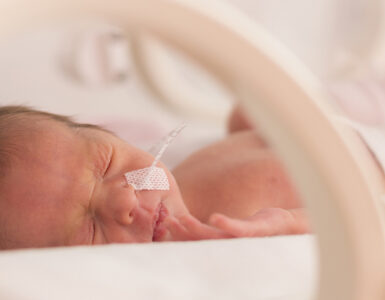
Most babies with newborn jaundice do not need care in a hospital’s neonatal intensive care unit (NICU). However, some babies may need NICU care if bilirubin levels become very high, rise quickly or when an underlying condition requires close monitoring and specialized treatment.
Understanding what newborn jaundice is, why some babies need NICU care and what happens during treatment can help parents feel more informed and prepared.
At a Glance: Newborn Jaundice and the NICU
A baby with jaundice may need NICU care if they have:
- Very high bilirubin levels and/or levels that are rising quickly
- Prematurity
- Blood type incompatibility or another condition causing increased breakdown of red blood cells
- An infection or another illness
- A need for intensive phototherapy or rarely, an exchange transfusion
Importantly, many babies who need phototherapy can be treated safely in the newborn nursery or another appropriate hospital setting without requiring a NICU admission. The decision depends on the baby’s bilirubin level, age and gestational age, rate of rise, risk factors, and overall clinical condition.
What Is Newborn Jaundice?
Newborn jaundice is a common condition caused by a buildup of bilirubin, a yellow pigment produced when red blood cells break down.
Before birth, a baby’s placenta helps remove bilirubin from the body. After birth, the baby’s liver takes over this job. Because a newborn’s liver is still developing, it may not remove bilirubin from the bloodstream as efficiently as an older child’s or adult’s liver. When bilirubin builds up, it can cause the skin and whites of the eyes to appear yellow.
Jaundice occurs in approximately six out of 10 newborns and is even more common among babies born prematurely. In most cases, jaundice is temporary and improves as the baby’s liver matures and feeding becomes established.
Which Babies Are More Likely to Develop Jaundice?
Although jaundice is common in many healthy newborns, some babies are more likely to develop higher bilirubin levels than others.
Risk factors include:
- Premature birth: A premature baby’s liver may be less mature and less efficient at processing bilirubin.
- Difficulty feeding: Poor feeding can contribute to dehydration and reduce the baby’s ability to eliminate bilirubin.
- Blood type incompatibility: Certain blood group differences between a mother and baby can cause increased breakdown of red blood cells.
- Bruising during birth: Bruising can increase the amount of red blood cells that break down after birth.
- A family history of significant newborn jaundice: A previous sibling who required treatment may increase the risk.
- Inherited conditions: Conditions such as G6PD deficiency can cause red blood cells to break down more rapidly.
What Are the Signs of Newborn Jaundice?
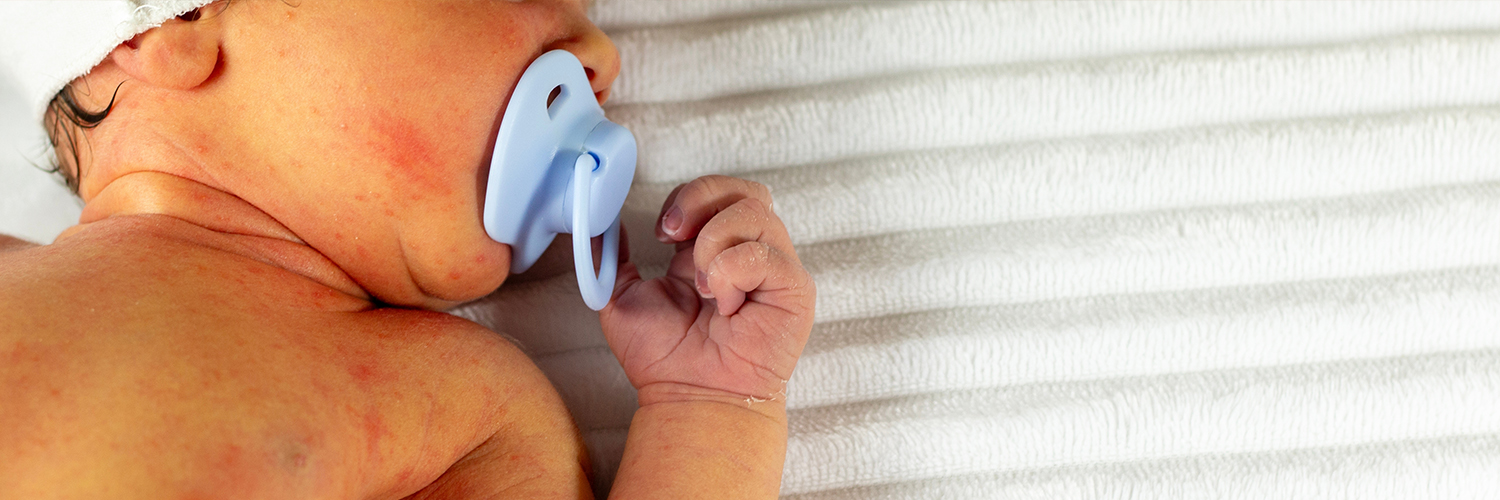
The most common sign of jaundice is yellowing of the skin and the whites of the eyes. The yellow color often appears first on the face and may progress to the chest, abdomen, arms and legs.
Other signs that may require medical attention include:
- Poor feeding or difficulty feeding
- Excessive sleepiness or difficulty waking
- Fewer wet diapers than expected
- Increased fussiness
- Yellowing that appears to be worsening or spreading
Parents should contact their baby’s healthcare provider if they notice these symptoms or have concerns about their baby’s feeding, alertness or appearance.
Is Newborn Jaundice Serious?
For most babies, newborn jaundice is mild and resolves without causing lasting problems. However, jaundice can become serious when bilirubin levels become very high.
Very high bilirubin levels can affect the brain and, in rare cases, lead to a condition called kernicterus, which can cause permanent neurological problems. These complications are uncommon, particularly when jaundice is identified and treated promptly.
Hospitals screen newborns for jaundice before discharge, and healthcare teams monitor bilirubin levels closely to identify babies who need treatment.
Why Would a Baby With Jaundice Need the NICU?
Most babies with jaundice can be treated in the newborn nursery or monitored by their pediatrician after they go home. A NICU stay is recommended only when a baby needs closer monitoring or more intensive treatment.
A baby may be admitted to the NICU if:
Bilirubin levels are very high or rising quickly.
When bilirubin levels reach or approach treatment thresholds, babies need prompt evaluation and treatment. Babies whose bilirubin levels are rising particularly quickly may require more frequent blood tests and closer monitoring.
The baby was born prematurely.
Premature babies are more likely to develop significant jaundice because their livers are less mature. They may also need additional medical support while receiving treatment.
There is an underlying medical condition.
Problems such as blood type incompatibility, an infection or certain inherited conditions can cause bilirubin levels to rise more quickly and require closer observation.
More intensive treatment is needed.
Some babies require intensive phototherapy or, in rare cases, an exchange transfusion. These treatments are typically provided in the NICU, where babies can be monitored closely throughout their care.
What Happens in the NICU for Jaundice?
The NICU provides specialized care for newborns who need additional monitoring, treatment or support during their first days of life. A team of neonatologists, neonatal nurses and other specialists monitors each baby’s condition and adjusts care based on their needs.
Treatment may include:
- Bilirubin monitoring: Blood tests help the care team track bilirubin levels and determine whether treatment is working.
- Intensive phototherapy: Phototherapy uses specially designed blue light to change bilirubin into forms that the baby’s body can eliminate more easily. It is painless, widely used and highly effective for treating significant newborn jaundice.
- Feeding support or IV fluids: Adequate feeding and hydration help the body eliminate bilirubin. Some babies may need assistance with breastfeeding or bottle-feeding, supplemental feeds, or intravenous fluids depending on their clinical condition.
- Additional testing: Additional blood tests may be performed to determine why bilirubin levels are elevated. Testing may evaluate for blood type incompatibility, hemolysis, infection or other underlying conditions.
- Exchange transfusion (rare): In rare cases of severe hyperbilirubinemia, an exchange transfusion may be necessary. During this procedure, small amounts of the baby’s blood are gradually replaced with appropriately matched donor blood. This can rapidly reduce bilirubin levels and remove antibodies or other factors contributing to ongoing red blood cell breakdown.
How Long Will a Baby Stay in the NICU for Jaundice?
The length of a hospital or NICU stay varies depending on the baby’s bilirubin level, response to treatment, gestational age and whether other medical problems are present.
In general:
- Babies receiving phototherapy may require treatment for approximately one to two days, although the duration varies.
- Babies with very high bilirubin levels or ongoing hemolysis may require longer treatment and monitoring.
- Premature babies or babies with other medical conditions may need additional time in the hospital for feeding, growth or other medical support.
Before going home, the care team will make sure bilirubin levels are improving, feeding is going well and the baby is ready for continued care outside the NICU.
Frequently Asked Questions About Newborn Jaundice and the NICU
Does jaundice mean my baby needs the NICU?
No. Most babies with jaundice do not require NICU care. Many babies can be safely monitored in the newborn nursery or managed as outpatients. NICU-level care may be necessary when bilirubin levels are very high or rising rapidly, when significant medical conditions are present, or when more intensive treatment and monitoring are required.
Is phototherapy safe for newborns?
Yes. Phototherapy is a safe, painless treatment that helps lower bilirubin levels by using special blue lights.
Can parents hold a baby during phototherapy?
In many cases, parents can continue to feed, hold and bond with their baby during phototherapy. The healthcare team will explain when breaks for feeding, holding and skin-to-skin contact are appropriate based on the baby’s bilirubin level and treatment needs.
Can jaundice come back after treatment?
Bilirubin levels can sometimes rise again after phototherapy, particularly in babies with ongoing hemolysis or other risk factors. Some babies will therefore need a repeat bilirubin measurement after treatment or after discharge. Follow-up also allows the healthcare team to make sure feeding, hydration and weight gain are progressing appropriately.
Will My Baby Be OK?
Most babies with newborn jaundice do very well, especially when the condition is identified and treated early. Phototherapy is highly effective, and serious complications are uncommon because newborns are routinely screened and monitored for rising bilirubin levels.
Before your baby goes home, the care team will make sure bilirubin levels are improving and that your baby is feeding well. Some babies may need a follow-up visit or additional bilirubin check after discharge to ensure levels remain in a safe range.
If your baby requires care in the NICU, the goal is to provide specialized monitoring and treatment until it is safe for them to go home. With appropriate care, most babies recover fully and continue to grow and develop normally.
The Perinatal Center at Stony Brook Children’s Hospital provides advanced, family-centered care for premature, critically ill and medically complex newborns from across Long Island. As Suffolk County’s only New York State-designated Regional Perinatal Center, the center cares for approximately 1,000 babies each year in its 46-bed, all-private-room Neonatal Intensive Care Unit (NICU). With 24/7 in-house neonatologists, specialized neonatal transport services and a multidisciplinary team of experts, the center delivers the highest level of care for the region’s most vulnerable infants. Learn more or give us a call at (631) 444-7653.