

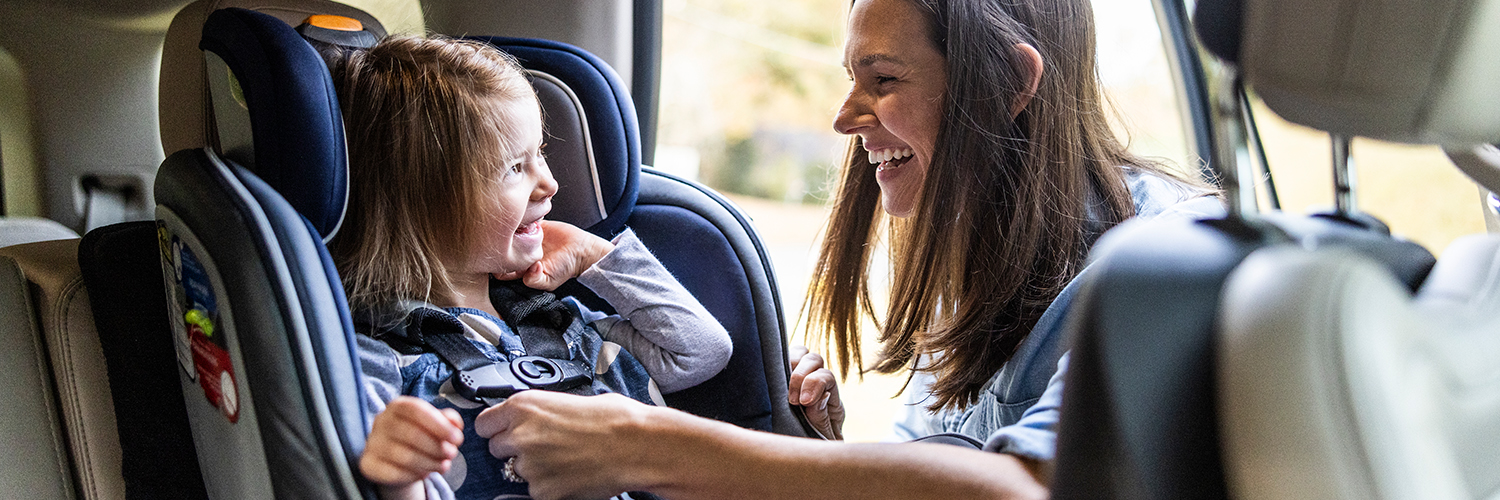
You’re doing so much to keep your child safe, and using a car seat is one of the most important steps. It’s also completely normal to have questions or overlook a detail here and there—especially when life is hectic.
In fact, the National Highway Traffic Safety Administration reports that nearly half of all car seats are installed or used incorrectly. Something as simple as loose straps or the wrong seat angle can dramatically affect how well a car seat protects your child in a crash.
The good news: with a few simple tweaks, you can boost your child’s protection right away. November is Pediatric Trauma and Injury Prevention Month, making it the perfect time to review car seat safety.
Why Car Seat Safety Matters
Motor vehicle crashes remain a leading cause of death for infants and children in the United States. However, when car seats are used correctly, they can reduce the risk of fatal injury in children by up to 80 percent compared to seat belts alone, according to the CDC.
Properly installing and using car seats and booster seats are the keys to protecting children during car rides.
That’s why New York State law requires that all children under the age of 4 ride in child safety seats and all children ride in child restraint systems until they’re at least 8.
Common Car Seat Mistakes (and How to Fix Them)
1. Installing the Seat Too Loosely
A properly installed car seat should not move more than one inch side-to-side or front-to-back when tugged at the base.
Use either the LATCH system or the seat belt (not both) to secure the seat tightly. Press down firmly on the seat while tightening the straps to make sure it’s firmly in place.
The LATCH system stands for Lower Anchors and Tethers for Children, which is a standardized car seat installation system that helps secure child seats without using the vehicle’s seat belt.
The LATCH system improves seat stability, especially for forward-facing seats. However, parents should check both the car seat’s weight limits for LATCH and the vehicle’s manual.
Once the combined weight of your child and the seat exceeds 65 pounds, installation with a seat belt is usually recommended instead.
2. Harness Straps Are Too Loose
Loose straps can allow your child to move too much during a crash.
Harness straps should be snug, and you shouldn’t be able to pinch any slack at your child’s shoulders. The chest clip should be at armpit level, not on the stomach or neck.
3. Not Checking Height and Weight Limits Before
Always make sure your child meets the minimum height and weight, and hasn’t exceeded the maximum height or weight for their seat. Check the label on the side or the manual before transitioning to another seat.
Once your child reaches either limit, whichever comes first, it’s time to switch to the next seat or position.
4. Turning Your Child Forward Too Soon
Many parents transition too early from rear-facing to forward-facing seats. Rear-facing seats protect your child’s neck, spine and head during a crash and are especially important for infants and babies.
Keep your child rear-facing until at least age 2, or until they reach the height or weight limit for their rear-facing seat (often around 40 pounds).
5. Using the Wrong Type of Seat for Their Age or Size
Children should transition between seats based on their size and developmental milestones, not age alone.
Here’s a general guide according to the U.S Department of Transportation:
- Infants and toddlers: Rear-facing seats only or convertible seats until at least age 2. They can remain rear-facing until they reach the maximum height or weight listed on the side of the seat.
- Preschoolers: Forward-facing seat with harness and tether, once they outgrow the rear-facing limits.
- School-age children: Booster seats from about the age of 4-5 until they are 4’9″ tall and can properly use a seat belt.
- Older kids in the back row of the car: Seat belt fits correctly when it lies across the upper thighs (not stomach) and shoulder (not neck).
6. Placing Car Seats in the Wrong Spot
The safest place for a car seat is the back seat, away from airbags.
Never place a rear-facing seat in front of an active airbag. If possible, install it in the center rear seat, which is typically the safest spot.
7. Using Unapproved Accessories
Items like strap covers, seat protectors or head inserts that didn’t come with your car seat can interfere with crash protection. Only use accessories approved by the car seat manufacturer.
8. Wearing Bulky Clothing in the Seat
Puffy coats and snowsuits can compress in a crash, making harnesses less effective. It’s safer to dress your child in thin, warm layers and cover them with a blanket over the harness if needed.
9. Not Using the Top Tether on a Forward-Facing Car Seat
The top tether prevents a forward-facing car seat from moving forward in a crash by up to 6 inches. Look for the tether strap on the back of the car seat and attach it to the small metal anchor, usually found on the back of the vehicle seat or the rear shelf in a sedan.
Common Questions About Car Seats
When should my baby move from an infant seat to a convertible seat?
Once your baby outgrows the height or weight limit for their infant seat (usually around 30-35 pounds), switch to a rear-facing convertible seat. This allows them to stay in a rear-facing seat for longer until they’re ready to face forward.
When can my child face forward?
Children should stay rear-facing until they reach the maximum height or weight limit of their seat, which is often around age 3 or 4. Read the directions for your specific seat, since they vary slightly by brand.
When can my child use a booster seat?
When they outgrow the harness of their forward-facing seat (around 40 to 60 pounds, depending on the seat).
Boosters should be used until seat belts fit properly, usually between ages 8-12 or when your child reaches 4’9″. Children under 13 should always sit in the back of the car, not the front passenger seat.
How can I tell if my seat is installed correctly?
Every child and every vehicle is different, which is why proper fit and installation matter so much. Reading your car seat’s manual, following manufacturer instructions and getting professional help when needed are all key to keeping your child safe.
Most local hospitals and fire departments offer car seat safety checks by certified Child Passenger Safety Technicians (CPSTs). You can visit a Car Seat Fitting Station to have your car seat properly installed or checked. If you live in Suffolk County, search for locations near you here, which will provide free car seat inspections by appointment. For more information, use this Ultimate Car Seat Guide.
The Stony Brook Children’s Injury Prevention Program offers car seat safety checks, educational events and community resources to help families prevent injuries year-round. To schedule a free car seat inspection or learn more about child passenger safety, visit Stony Brook Children’s Hospital Injury Prevention or call (631) 444-KIDS.