

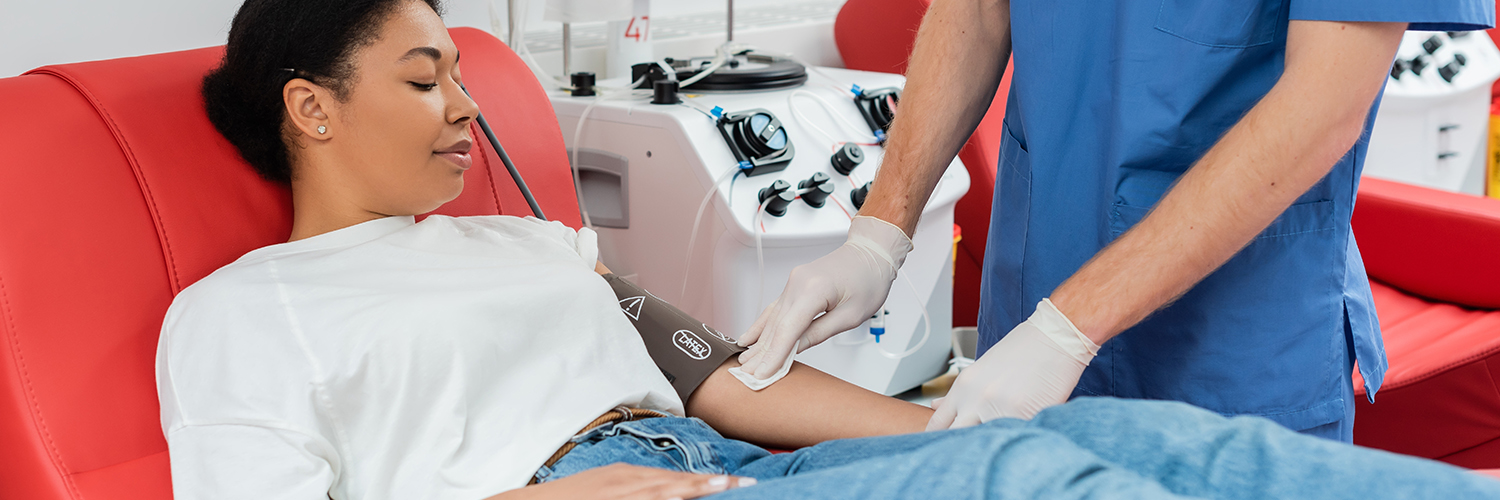
Did you know that just one blood donation can save up to three lives?
According to theAmerican Red Cross, someone in the U.S. needs blood every two seconds, yet only three percent of eligible people actually donate. Blood and plasma are needed every day for surgeries, emergencies, and treating illnesses like cancer and anemia.
This article will answer your most common questions about donating blood, including who is eligible, what the donation process is like, the difference between blood and plasma donations, possible side effects, and when and where you can give.
If you’re thinking of becoming a blood donor, use this article as a guide to help you understand everything you need to know to make a lifesaving impact.
Eligibility and Requirements for Blood Donation
There’s always a need for new donors to maintain a safe and reliable blood supply. One of the biggest questions people have is about blood donation requirements.
To donate whole blood, you generally need to:
- Be at least 17 years old (or 16 with parental consent in some areas)
- Weigh at least 110 pounds
- Be in good general health and feeling well on the day of donation
- Have last donated blood more than eight weeks ago
These are the core requirements, according to the U.S. Department of Health & Human Services (HHS). But a few other factors are considered during a mini-physical and health history screening at the donation center.
Common Questions About Eligibility
- Can you donate blood if you have a tattoo? Yes, in most cases. If you received your tattoo from a state-regulated and licensed facility, you can donate right away.
- What if I have a pre-existing health condition, can I still donate blood? Many conditions like controlled high blood pressure or diabetes do not prevent you from donating. However, certain medical conditions, active infections or a low blood count (anemia) might mean you have to wait. It’s always best to discuss your medical history with the staff at the donation center.
- What disqualifies you from donating blood? Stipulations on giving blood often relate to recent travel to certain countries, taking specific medications like blood thinners or having a history of infectious diseases such as hepatitis or HIV. All donated blood is screened to ensure it is safe for patients. In addition, the World Health Organization (WHO) advises against women who are pregnant or breastfeeding to give blood.
Understanding Blood vs. Plasma Donations
You’ve likely heard about donating blood, but what about donating plasma? Your blood is made of several components: red blood cells, white blood cells, platelets and plasma.
- Whole blood donation: This is the most common type of donation, where you give about one pint of blood. The process is quick, usually taking less than 15 minutes for the actual donation.
- Plasma donation: Plasma is the liquid, straw-colored part of your blood that carries cells and proteins throughout your body. When donating plasma, a special process called plasmapheresis separates the plasma from your blood and returns the other components (like red cells) to you. This process takes longer, about one to two hours.
Both types of donations are essential. While whole blood is often used for trauma and surgery, plasma is used to create therapies for people with immune disorders, burn victims and cancer patients.
What’s Your Blood Type?
Every blood type is needed, but some are in higher demand than others. The main blood types are A, B, AB and O, each with a positive (+) or negative (-) Rh factor.
- The universal blood type for donation: Type O-negative (O-) is the universal red cell donor, meaning it can be given to patients of any blood type. This makes it incredibly valuable in emergencies when a patient’s blood type isn’t known. Only about 7 percent of the population has O- blood, making these donors especially important.
- The universal plasma donor: Type AB is the universal plasma donor. Their plasma can be given to anyone.
Even if you don’t know your blood type, you can still donate. The donation center will test your blood and let you know your type.
The Blood Donation Process
Knowing what to expect can make your first donation experience smooth and rewarding.
- Registration: You’ll sign in, show your ID and read some information about the donation process.
- Screening: A staff member will ask you confidential questions about your health history and travel. They will also perform a mini-physical, checking your temperature, pulse, blood pressure and hemoglobin level (a finger prick test to check for anemia).
- Donation: You’ll sit in a comfortable chair while a phlebotomist cleans your arm and inserts a sterile needle. The actual whole blood donation takes about 8 to 10 minutes.
- Rest and refreshments: After your donation, you’ll rest for about 15 minutes and enjoy some snacks and a drink. This helps your body start to replenish fluids. Most people feel fine after donating. Some may feel a little lightheaded or dizzy, but this usually passes quickly after resting and having a snack. Bruising at the needle site can also occur.
The entire process, from arrival to departure, usually takes about an hour.
More Frequently Asked Questions About Blood Donation
If you have questions about what it takes to donate blood or what happens during the process, you’re not alone. Here are the answers to additional questions to help you feel confident and prepared before your donation.
Where do you go to donate blood?
You can donate blood at hospital donation centers, community blood drives or dedicated blood donation facilities. Many organizations post blood drive locations and schedules online.
How much blood is taken when I donate?
A standard whole blood donation is about one pint (roughly 500 milliliters), which is safely replenished by your body.
How long does it take to replenish 1 pint of blood?
Your body replaces the plasma within about 24 hours. Your red blood cells take about four to six weeks to be fully replaced, which is why there’s a waiting period between donations.
How often can you donate blood?
You can donate whole blood every 56 days (8 weeks). For plasma, you can donate more frequently, typically every 28 days.
Is donating blood good for you?
While the primary benefit is helping others, some donors enjoy the free health screening that comes with every donation. It’s a good way to keep an eye on your blood pressure and iron levels.
Do you get paid for donating blood?
Blood donation is usually a volunteer act without payment. However, plasma donation centers sometimes offer compensation for plasma donations. If you’re unsure, check with your local donation center.
Ready to Save a Life?
Every donation is a chance to give someone more time with their family, another birthday or a second chance at life. The need for blood is constant, and your contribution is invaluable.
Stony Brook Eastern Long Island is hosting a blood drive on Wednesday, January 28 from 10 am to 4 pm. If you are interested in giving blood, sign up for an appointment.