
Why do your legs feel heavy after standing all day? Why are your ankles swollen by evening? And when are varicose veins more than a cosmetic concern?
These changes can sometimes point to a problem with how blood flows through the veins in your legs. Chronic venous insufficiency (CVI) occurs when the veins or their valves don’t work properly, making it harder for blood to return to the heart.
CVI is part of a broader group of conditions called chronic venous disease. It can develop over time and range from mild vein changes to more advanced disease. This article explains the symptoms, causes, risk factors, diagnosis and treatment of chronic venous insufficiency.
What Is Chronic Venous Insufficiency?
Leg veins carry blood back to the heart, working against gravity. One-way valves inside the veins help keep blood moving in the right direction.
When the veins or their valves do not work properly, blood may not flow back to the heart as quickly as it should. It can flow backward through the veins or stall, causing blood to build up and increasing pressure in the veins.
Chronic venous insufficiency is common. It affects 25 to 50 million adults in the United States , according to the Society for Vascular Surgery . However, the condition can affect the veins in different ways.
- Spider veins are small, visible veins near the surface of the skin and may be primarily a cosmetic concern.
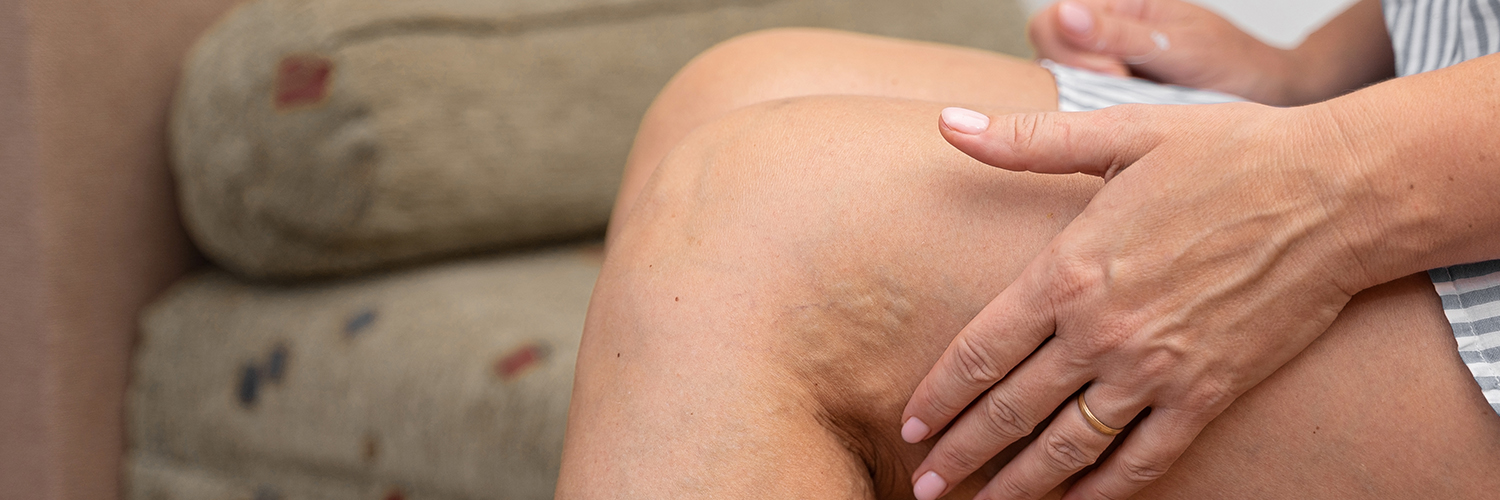
- Varicose veins are larger, swollen or twisted veins.
- More advanced venous disease can cause swelling, skin discoloration, changes in skin texture or venous ulcers, which are open sores usually found around the lower leg or ankle.
The appearance of the veins does not always reflect the severity of the underlying problem. Some people have prominent varicose veins with few symptoms, while others have significant leg discomfort or swelling without large, bulging veins.
What Are the Symptoms of Chronic Venous Insufficiency?
Common symptoms of CVI include:
● Leg heaviness or tiredness
● Aching or discomfort
● Swelling, especially around the ankles and lower legs
● Itching or cramping
● Varicose veins
● Skin discoloration, particularly around the ankles
● Changes in skin texture or appearance
● Wounds or ulcers that are slow to heal
Symptoms are the mildest in the morning and can be more noticeable as the day progresses after spending a long time sitting or standing and may improve when you elevate your legs.
Risk Factors for Chronic Venous Insufficiency
Risk factors for CVI include:
- Age. Vein valves may become less effective as you age.
- Family history. Having a family history of venous conditions can increase your risk.
- Previous deep vein thrombosis (DVT). Blood clots can cause lasting damage to the veins and their valves.
- Obesity. Extra weight can increase pressure on the veins in the legs.
- Smoking. Smoking can affect blood vessels and overall vascular health.
- Pregnancy. Increased blood volume, hormonal changes and pressure from the growing uterus can affect blood flow through the leg veins.
- Prolonged sitting or standing. Remaining in one position for long periods can make it harder for blood to return from the legs.
- Limited physical activity. Movement activates the calf muscles, which help push blood upward through the leg veins.
Having one or more risk factors does not mean you will develop CVI. The condition can also occur without an obvious risk factor.
How Is Chronic Venous Insufficiency Diagnosed?
Diagnosis typically begins with a medical history and physical exam. Your doctor may ask about your symptoms, risk factors and any history of blood clots.
A duplex ultrasound is commonly used to evaluate the veins. This painless test can show how blood is moving through the veins and identify venous reflux, the term used to describe backward blood flow through the veins.
The evaluation can also help determine whether visible veins or leg symptoms are related to CVI or another condition.
How Is CVI Treated?
CVI is typically benign and treatment intensity is guided by the presence or absence of symptoms. Treatment depends on the veins involved, your symptoms and the severity of the condition. It may include lifestyle measures, compression therapy or a minimally invasive procedure.
Lifestyle and Conservative Treatment
These measures may help manage symptoms:
- Regular walking and physical activity
- Avoiding long periods of sitting or standing when possible
- Elevating your legs
- Wearing medical grade custom fitted compression stockings when recommended
- Maintaining a healthy weight
- Keeping the skin clean and moisturized, especially in areas affected by dryness or skin changes
If symptoms continue despite these measures or testing shows significant venous reflux, a procedure may be recommended.
Minimally Invasive Procedures
Minimally invasive procedures include:
- Endovenous ablation uses laser or radiofrequency energy to close a problematic vein. Blood then flows through healthier veins. These procedures have largely replaced traditional vein-stripping surgery for appropriate patients.
- Mini-phlebectomy removes varicose veins through tiny openings in the skin, typically using local anesthesia.
- Sclerotherapy uses injections to close spider veins and small varicose veins.
When Should You See a Doctor for Leg Vein Problems?
Make an appointment if you have:
- Persistent leg swelling
- Ongoing aching, heaviness or discomfort
- Painful or increasingly bothersome varicose veins
- New or worsening skin changes or discoloration at the ankle
- A wound near the ankle that isn’t healing
- Symptoms that interfere with walking or daily activities
Sudden swelling, pain, warmth or redness in one leg can be a sign of a blood clot and requires prompt medical attention. If these symptoms occur with chest pain or difficulty breathing, seek emergency medical care.
Frequently Asked Questions About Chronic Venous Insufficiency
Can chronic venous insufficiency be cured?
CVI is a long-term condition, but treatment can control symptoms and address problematic veins. Treatment can also help prevent or manage complications such as wounds and ulcers.
Can exercise help chronic venous insufficiency?
Yes. Walking and other activities that engage the calf muscles help move blood from the legs toward the heart. Regular physical activity can be part of managing CVI, although it does not replace medical treatment when a vein problem requires further care.
Do compression stockings treat chronic venous insufficiency?
Compression stockings can help reduce swelling and improve symptoms by supporting blood flow through the leg veins. They do not correct damaged valves or eliminate the underlying cause of CVI, so your doctor may recommend other treatment depending on your condition.
Does chronic venous insufficiency get worse?
CVI can progress in some people. Early evaluation and treatment can help manage symptoms and reduce the risk of complications such as significant skin changes or ulcers.
If leg swelling, discomfort or visible vein changes persist, an evaluation can help determine whether chronic venous insufficiency is contributing to the symptoms. Treatment can be tailored to the veins involved, the severity of the condition and the patient’s symptoms.