

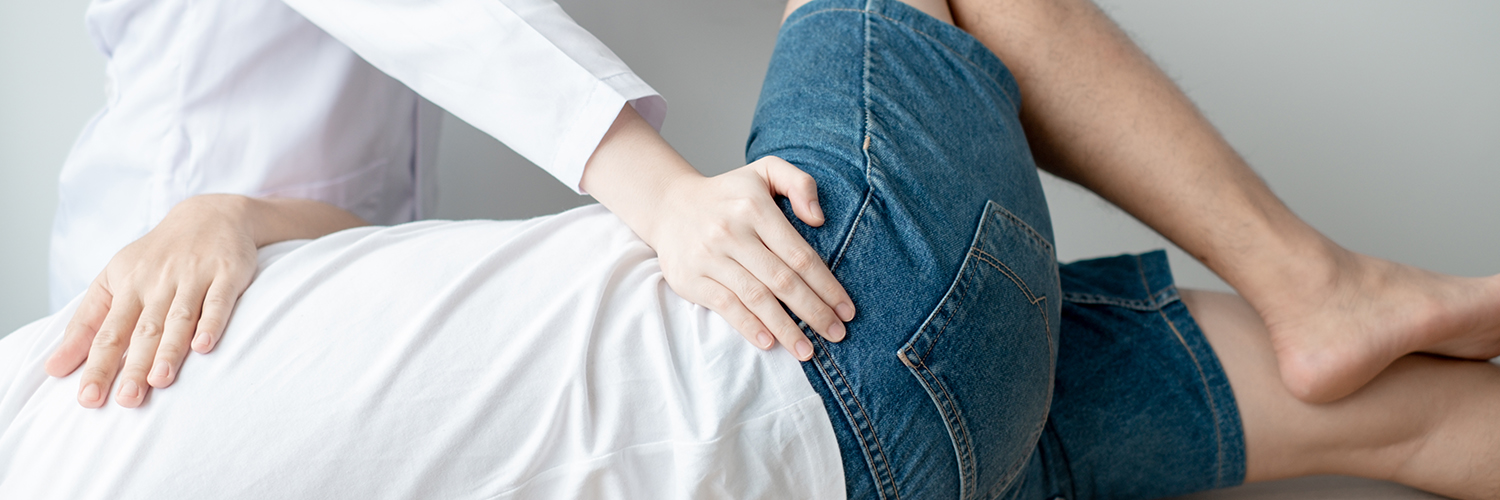
Hip pain can make everyday activities such as walking, climbing stairs, getting out of the car or exercising, very difficult. If your pain does not improve with rest or other treatments, it may be caused by damage inside the hip joint to the labrum.
For some people, hip arthroscopy offers a minimally invasive way to diagnose and treat the source of hip pain.
Using a small camera and specialized instruments, orthopedic surgeons can repair damaged tissue through small incisions, helping many patients return to daily activities with less pain.
What is Hip Arthroscopy?
Performed under general anesthesia, an orthopedic surgeon inserts a small camera, called an arthroscope, through tiny incisions to view the inside of the joint. Specialized instruments are then used to repair or remove damaged tissue and improve symptoms.
Damage to the cartilage, bones or surrounding structures can lead to pain, stiffness and difficulty with movement.
Compared with traditional open surgery, hip arthroscopy uses smaller incisions, causes less damage to surrounding muscles, and often allows patients to return home the same day.
Why Might Someone Need Hip Arthroscopy?
Doctors may recommend hip arthroscopy after reviewing your MRI and when hip pain continues despite physical therapy, medication or activity changes.
Some of the most common conditions treated include:
- Hip impingement (Femoroacetabular Impingement or FAI): Extra bone growth causes the bone and labrum of the hip to rub together, which may lead to pain and damage over time.
- Labral tears: The labrum is a ring of cartilage that helps stabilize the hip joint. It can tear because of an injury, repetitive motion or hip impingement.
- Loose bone or cartilage: Small fragments inside the joint can cause catching, locking or sudden pain.
- Inflamed joint lining (synovitis): Inflammation inside the joint can contribute to pain and stiffness.
Symptoms of these conditions may include groin pain, clicking or locking in the hip, reduced range of motion, stiffness, and pain during activities such as walking, exercising or sitting for long periods.
Is Hip Arthroscopy Right for Everyone?
Hip arthroscopy works best for people with specific problems inside the joint, especially those who do not have significant arthritis.
It may not be recommended for people with severe arthritis, significant cartilage loss, certain infections, or other medical conditions that make surgery unsafe. When cartilage has worn away significantly, other treatments may provide better results.
An orthopedic specialist will perform a physical exam and may order imaging tests, such as X-rays or an MRI, to determine whether hip arthroscopy is the right treatment option.
Can Hip Pain Be Treated Without Surgery?
Yes. Surgery is usually considered only after non-surgical treatments have not provided enough relief.
Your doctor may recommend:
- Physical therapy
- Activity modification
- Anti-inflammatory medications
- Ice or heat therapy
- Corticosteroid injections
Physical therapy, exercise and other approaches to managing chronic pain can help many people improve movement and manage symptoms before considering surgery.
However, if hip pain continues to interfere with work, exercise, sleep or everyday activities, surgery may become an option.
Recovery after Hip Arthroscopy
Recovery depends on the type of repair performed, but most patients begin walking with crutches shortly after surgery. Crutches may be needed for one to six weeks depending on the procedure and your surgeon’s recommendations.
Physical therapy is an important part of recovery. It helps restore movement, rebuild strength and safely return patients to work, sports and daily activities.
Many people return to desk work within one to two weeks, while more physically demanding jobs and sports may require several months of rehabilitation.
Following your surgeon’s recovery plan and attending physical therapy appointments can help support a successful recovery.
When Should You See an Orthopedic Specialist?
You should schedule an evaluation if hip pain lasts for several weeks, keeps returning or limits your ability to work, exercise or enjoy everyday activities.
Other signs that you may benefit from an evaluation include:
- Clicking or locking in the hip
- Pain that does not improve with rest
- Reduced range of motion
- Pain after an injury or fall
Early evaluation can help identify the cause of your symptoms and determine the best treatment approach.
Moving Toward Relief
Living with ongoing hip pain can affect your ability to enjoy the activities you love. Hip arthroscopy is a minimally invasive procedure that can treat many common causes of hip pain, including hip impingement and labral tears.
For many patients, hip arthroscopy may help reduce pain, improve mobility, and support a return to everyday activities, work and sports.
If conservative treatments have not provided relief, talk with an orthopedic specialist to learn whether hip arthroscopy may be an option for you.