

Menopause is a time of significant change for women’s health. While symptoms such as hot flashes, sleep changes and mood changes are often the most noticeable, hormonal changes during menopause can also affect bone health.
As estrogen levels decline, bones can lose density more quickly, increasing the risk of osteopenia and osteoporosis. These conditions can weaken bones and make fractures more likely.
Understanding your risk and knowing when to get a bone density test are important steps in protecting your long-term health. This article explains the link between menopause and bone loss, how doctors measure bone density and ways to reduce your risk of osteoporosis and fractures.
How Does Menopause Affect Bone Health After 50?
Estrogen plays a key role in keeping bones strong. It helps maintain the balance between bone loss and new bone formation.
When estrogen levels drop during menopause, that balance shifts. Bone can break down faster than it is replaced, causing bone density to decrease over time. According to the Endocrine Society, women can lose up to 20 percent of their bone density during the menopause transition. Lower bone density can increase the risk of osteopenia, osteoporosis and fractures.
That’s why the years around menopause are an important time to focus on bone health.
Bone Remodeling and Why It Matters
To understand why this happens, it helps to look at how bone naturally renews itself. Bone is living tissue, meaning it changes throughout your life. The body constantly removes old bone and builds new bone in a process called bone remodeling.
Before menopause, this process is generally in balance. After estrogen levels fall, more bone tends to be broken down than rebuilt. Over time, this can lead to lower bone density, which increases the risk of fractures.
How Is Bone Density Measured? What Is a DEXA Scan?
Bone density testing is generally recommended for all women over 65, and for younger women who have gone through menopause and have additional risk factors.
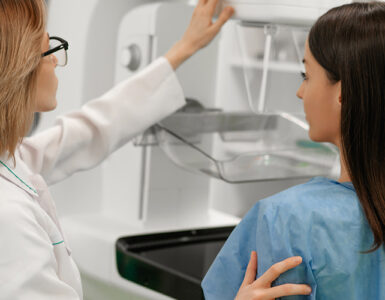
The standard way to assess bone strength is through a DEXA scan (dual x-ray absorptiometry). The test is quick, painless and uses very low levels of radiation to measure how much calcium and other minerals are in a specific area of your bone. It typically focuses on the hip and spine — the bones most likely to fracture.
Results help doctors determine whether bone density is normal, at the osteopenia stage or at the osteoporosis stage.
What Is a DEXA Scan T-Score?
After a DEXA scan, you’ll receive a T-score. A T-score compares your bone density to that of healthy young adult. The lower the score, the higher the risk of fracture. Doctors use this number along with other risk factors to guide recommendations.
Osteopenia vs. Osteoporosis
These two terms sound similar but mean different things:
- Osteopenia means bone density is lower than normal but has not yet reached the level of osteoporosis. Think of it as an early warning sign.
- Osteoporosis means bones have become significantly weaker and are much more likely to break — even from a minor fall or bump.
Approximately one in two women over age 50 will break a bone because of osteoporosis, according to the Bone Health & Osteoporosis Foundation.
Catching bone loss early gives women more options to slow it down and protect their health.
Early Signs of Osteoporosis
Osteoporosis is often called a “silent disease” because it usually causes no symptoms until a bone becomes weak enough to break. However, some warning signs may indicate that bone loss has already occurred:
- A fracture from a minor fall or injury that would not normally cause a broken bone
- Loss of height over time, often due to compression fractures in the spine
- A stooped or hunched posture, sometimes called a dowager’s hump
- Back pain, which may be caused by a spinal compression fracture
Because osteoporosis often develops without noticeable symptoms, screening is important for people at risk.
Who Is at Higher Risk for Osteoporosis After Menopause?
Some women face a greater risk than others. Risk factors include:
- Older age
- Earlier menopause (before age 45)
- Family history of osteoporosis or fractures
- Smaller body frame or low body weight
- Smoking
- Heavy alcohol use
- Certain medications, including long-term steroid use
- Lack of weight-bearing exercise
Having one or more of these risk factors doesn’t mean osteoporosis is inevitable, but it does mean bone health deserves more attention.
Keeping Your Bones Healthy Before, During and After Menopause
Lifestyle choices have a real impact on bone strength. Here are the key ones to focus on:
- Strength training: Lifting weights or using resistance bands helps build and maintain bone density.
- Weight-bearing exercise: Walking, hiking, dancing and similar activities put healthy stress on bones and encourage them to stay strong.
- Calcium: Women over 50 need 1,200 milligrams of calcium per day from food and supplements combined. Good sources include dairy products, leafy greens, canned salmon and fortified foods.
- Vitamin D: Women over 50 need 800 to 1,000 International Units of vitamin D daily. Vitamin D helps the body absorb calcium and supports the muscles that prevent falls.
- Avoid smoking and limit alcohol: Both can speed up bone loss.
- Fall prevention: Reducing fall risk at home, like removing rugs and improving lighting helps prevent fractures.
When Should You Talk With a Doctor?
Don’t wait for symptoms. Bone loss rarely causes pain or noticeable signs in its early stages.
Talk with your healthcare provider if you:
- Are going through or have completed menopause
- Have one or more risk factors for osteoporosis
- Have had a fracture from a minor fall or injury
- Have noticed height loss or a change in posture
What Kind of Doctor Treats Bone Loss and Osteoporosis?
Your primary care provider or gynecologist is usually the right first stop. They can review your risk factors, order a bone density test and discuss prevention strategies.
If needed, they may refer you to an endocrinologist, a specialist who focuses on hormone-related conditions, including osteoporosis, or a rheumatologist, a specialist who among other conditions, takes care of musculoskeletal disorders such as osteoporosis.
Treatment Options for Osteoporosis
Treatment is tailored to each person based on bone density, fracture risk and overall health.
Besides lifestyle changes, options may include:
- Medications: Several prescribed medications can help slow bone loss or support new bone formation, including bisphosphonates, denosumab and teriparatide.
- Hormone therapy: Estrogen-based treatments may help slow bone loss for some women. However, estrogen is not a treatment if you have already been diagnosed with osteoporosis.
Your healthcare provider will help you find the right approach for your individual needs.
Take the Next Step for Your Bone Health
Bone loss after menopause is common, but it’s not something you simply have to accept. Understanding your risk, getting screened at the right time and making targeted lifestyle changes can all make a meaningful difference.
Start the conversation with your healthcare provider at your next appointment, and ask whether a bone density scan is right for you.