
Pregnancy is an exciting time, but it also comes with a lot to learn. One serious condition that can happen during pregnancy is called preeclampsia. It usually starts after 20 weeks and involves high blood pressure that can affect different parts of the body.
Preeclampsia is more common than you might think, affecting millions of pregnancies around the world. The good news is that with early care and regular checkups, doctors can help manage it. Knowing the warning signs is a powerful way to protect both the parent and the baby.
Explore what preeclampsia is, who is most at risk and why getting care early makes all the difference.
What Exactly Is Preeclampsia?
Preeclampsia is a health problem that only happens during pregnancy. Its main sign is high blood pressure that develops after the 20-week mark. But it’s more than just high blood pressure. Preeclampsia can also cause stress on organs like the kidneys and liver, preventing them from working as they should.
Scientists are still working to understand the exact cause. However, many believe it starts with a problem in the placenta — the organ that delivers nutrients and oxygen to the baby. When the placenta doesn’t get enough blood flow, it can release substances into the bloodstream that harm blood vessels. This can lead to high blood pressure and other complications.
Even in a perfectly healthy pregnancy, preeclampsia can develop. That’s why regular visits to the doctor are so important. They are your first line of defense.
Who Is Most at Risk for Preeclampsia?
While preeclampsia can happen to anyone, some factors can increase a person’s chances of developing it.
These risk factors help doctors know who needs closer monitoring:
- Being pregnant for the first time
- Having a personal history of preeclampsia in a past pregnancy
- Already having chronic high blood pressure, kidney disease or diabetes
- Having a family history, like a mother or sister who had preeclampsia
- Being pregnant with more than one baby (like twins or triplets)
- Certain health conditions, like autoimmune diseases
- Age can also play a role, with those younger than 20 or older than 35 being at a higher risk
It’s important to remember that having a risk factor doesn’t mean you will definitely get preeclampsia. It just means you and your doctor should be extra watchful.
Ethnicity and Preeclampsia Risk
In the United States, research shows that Black women are more likely to develop preeclampsia and experience more severe complications from it than women from other ethnic groups.
This isn’t because of race itself. Instead, it’s linked to a combination of factors, including higher rates of underlying health conditions like high blood pressure and diabetes. Systemic issues like chronic stress and unequal access to quality healthcare also play a significant role.
Understanding these disparities is the first step toward creating better health outcomes for everyone.
How Quickly Can Preeclampsia Develop?
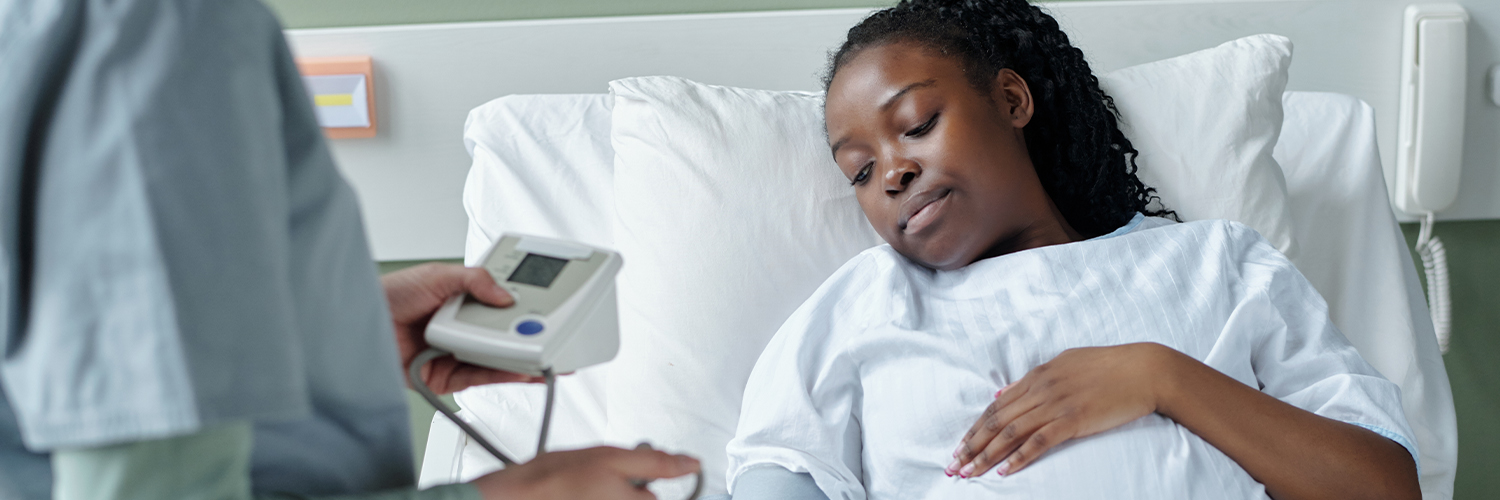
Preeclampsia can be tricky. Sometimes it develops slowly over several weeks, giving you and your doctor time to react. Other times, it can appear very suddenly. This is why paying attention to your body and attending all your prenatal checkups is crucial. Your doctor will check your blood pressure and may test your urine at each visit to screen for any changes.
Key Warning Signs to Watch For
- A headache that won’t go away, even after taking pain medicine
- Changes in your vision, like seeing spots, flashing lights or having blurry vision
- Sudden swelling, especially in your face and hands (some foot and ankle swelling is normal, but sudden or severe swelling is a red flag)
- Pain in the upper right side of your belly, just under your ribs
- Trouble breathing or feeling short of breath
- Rapid weight gain over just a day or two
Even if you don’t have any of these symptoms, your doctor can spot signs of preeclampsia during a routine visit. If you do notice any of these signs, it’s important to call your doctor or midwife right away.
Gestational Hypertension vs. Preeclampsia
You might hear your doctor talk about another condition called gestational hypertension. It’s easy to get it confused with preeclampsia, but there are key differences.
- Gestational Hypertension: This is high blood pressure that starts after 20 weeks of pregnancy, but there are no signs of organ damage. Your blood pressure is high, but your other lab tests are normal.
- Preeclampsia: This is high blood pressure that starts after 20 weeks, plus signs of organ stress. The most common sign is having protein in your urine, which shows your kidneys are being affected.
Doctors monitor gestational hypertension very carefully because it can sometimes turn into preeclampsia.
How Is Preeclampsia Treated?
The main goal of treatment is to keep both the parent and baby safe.
Common Treatments
- Frequent monitoring: This means more frequent doctor visits to check blood pressure, run lab tests and monitor the baby’s health.
- Blood pressure medication: If blood pressure is dangerously high, doctors may prescribe medicines that are safe to take during pregnancy.
- Magnesium sulfate: In severe cases, this medication is given through an IV to prevent seizures, which are a rare but serious complication of preeclampsia.
- Delivery: If the preeclampsia is severe or the pregnancy is close to full-term (37 weeks or more), the doctor may recommend delivering the baby. The timing is always a careful balance between the parent’s health and the baby’s development.
Can You Prevent Preeclampsia?
Unfortunately, there is no guaranteed way to prevent preeclampsia. However, there are things you can do to lower your risk, especially if you fall into a high-risk category.
- Low-dose aspirin: For some high-risk individuals, a doctor may recommend taking a low-dose aspirin every day during the second and third trimesters. Never start taking any medication without talking to your provider first.
- Go to all prenatal visits: This is the most important step. Regular checkups allow your doctor to catch any problems early.
- Know the warning signs: Being aware of the symptoms helps you know when to seek help. Don’t ever feel like you are overreacting. It’s always better to be safe.
What Are the Symptoms and Risks of Postpartum Preeclampsia?
Preeclampsia isn’t just a pregnancy complication — it can also occur after delivery. This is known as postpartum preeclampsia, and it most commonly develops within the first six weeks after birth, though it may appear later.
Watch for symptoms such as:
- High blood pressure (even if you didn’t have it while pregnant)
- Severe headaches
- Vision changes (spots or flashing lights)
- Swelling in the face, hands or legs
- Pain in the upper belly
- Nausea or vomiting
- Difficulty breathing
Postpartum preeclampsia is serious and can be even more dangerous than when it appears during pregnancy, since it’s unexpected. Without quick treatment, it can cause seizures, strokes or organ damage. That’s why it’s important to attend postpartum checkups and call your doctor right away if you notice any of these symptoms.
When Should You Call Your Doctor?
Trust your instincts. If something doesn’t feel right, it’s worth a phone call.
Preeclampsia is a serious condition, but it’s also manageable. Knowing your risk factors, going to every prenatal appointment and listening to your body are the most powerful tools you have.
By staying informed and proactive, you can navigate your pregnancy with confidence.