
Recent news coverage about a suspected hantavirus outbreak on a cruise ship sailing in the Atlantic Ocean has led many people to seek information about this rare but serious disease.
In the United States, hantavirus infections are uncommon. The U.S. Centers for Disease Control and Prevention (CDC) has reported a relatively small number of confirmed cases over the years. As of late 2023, there have been only 890 documented cases since national tracking began in 1993. However, the illness can be severe when it happens. Because of that, it is smart to learn the facts without panicking.
In this article, learn what hantavirus is, how it spreads and three key facts you need to know: the main ways people are exposed, what symptoms to watch for and the safest prevention strategies.
Quick answer: Hantavirus is a virus spread mainly through contact with infected rodent urine, droppings or saliva. In some cases, it can lead to hantavirus pulmonary syndrome, a serious illness that affects the lungs.
What Is Hantavirus?
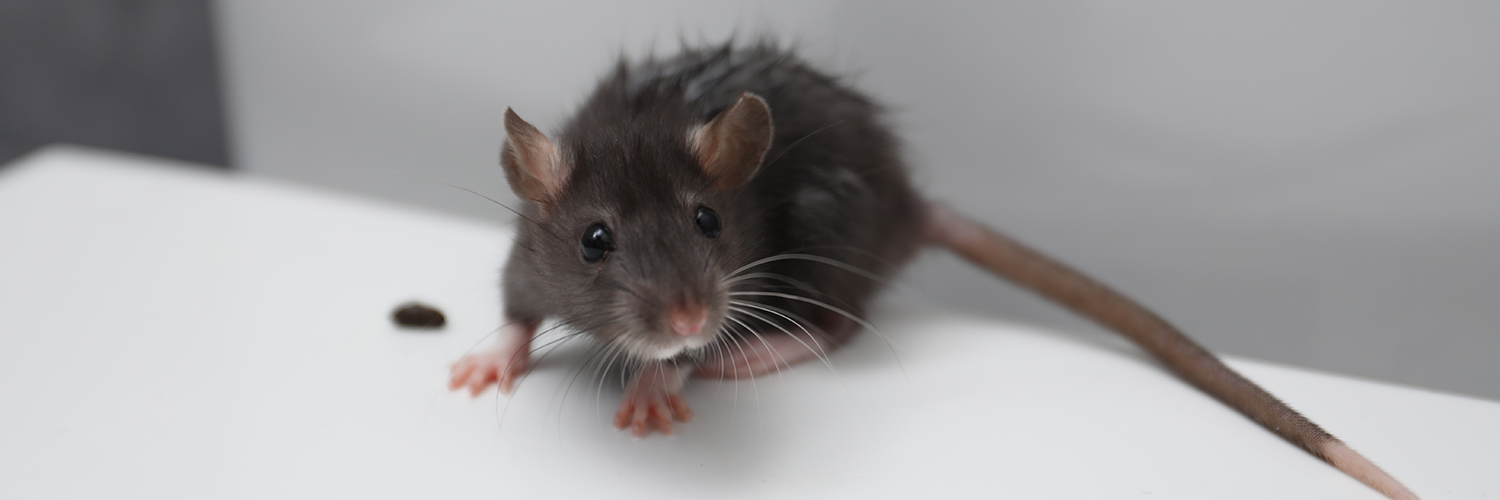
Hantavirus is a virus carried by some rodents, especially certain mice and rats. People can get sick if they breathe in tiny bits of virus from the air after rodent droppings, urine or nesting material are disturbed. For example, the widely reported case involving the late Gene Hackman’s wife highlighted how rodent infestations near the home can lead to hantavirus exposure and serious health consequences.
This illness can make it very hard to breathe and can become a medical emergency.
How Do You Get Hantavirus?
Most people get hantavirus after contact with places where infected rodents have been active.
Common Ways Exposure Can Happen
- Breathing in air contaminated by dried mouse droppings or urine
- Cleaning a shed, cabin, garage, attic or barn with rodent waste
- Touching contaminated surfaces, then touching your nose or mouth
- Getting bitten by an infected rodent, though this is less common
What Is The Risk of Hantavirus From Mouse Droppings?
The chances of getting sick from mouse droppings are usually low for the average person, but the risk is real. Not all mice carry hantavirus, and the disease itself is rare. Risk goes up when people are in closed spaces with a lot of rodent droppings and stir contaminated dust into the air.
This means you should take mouse droppings seriously, but know that not every mouse sighting will lead to illness.
Hantavirus Symptoms
Early symptoms can feel a lot like the flu, which can make the illness hard to spot at first.
Early hantavirus symptoms may include:
- Fever
- Tiredness
- Muscle aches
- Headache
- Chills
- Nausea
- Vomiting
- Belly pain
These symptoms often start one to eight weeks after exposure.
What Is Hantavirus Pulmonary Syndrome?
Hantavirus pulmonary syndrome (HPS) is a severe lung illness caused by some hantaviruses. The disease gained national attention after an outbreak occurred in the Four Corners region of the U.S. in 1993. The condition is characterized by an early flu-like stage, which for some people gets much worse very fast.
Serious Symptoms May Include:
- Cough
- Shortness of breath
- Chest tightness
- Trouble breathing
- Fluid in the lungs
Trouble breathing after possible rodent exposure is an emergency. Seek medical care right away.
Is Hantavirus Contagious?
In most cases in the United States, hantavirus is not contagious from person to person. People usually get it from infected rodents, not from other people.
Is Hantavirus Fatal?
Hantavirus can be fatal, especially if it causes hantavirus pulmonary syndrome and is not caught early enough. At the same time, it is important to remember that hantavirus is rare. Knowing the warning signs and acting quickly can make a big difference.
How Is The Disease Treated?
There is no specific antiviral cure used for most hantavirus infections. Treatment focuses on supporting the body while doctors manage symptoms.
Treatment May Include:
- Oxygen
- Careful fluid support
- Hospital monitoring
- Intensive care for severe cases
Hantavirus Prevention Tips
Prevention starts with keeping rodents out of your home and cleaning up safely.
5 Prevention Strategies
- Seal holes and gaps where mice can enter
- Store food in sealed containers
- Keep trash covered
- Clean up clutter where rodents may hide
- Watch for signs of mice in sheds, cabins, garages and storage spaces
How to Clean Rodent Droppings Safely
- Do not sweep or vacuum dry droppings
- Open windows and air out the space first
- Wear rubber gloves and an N95 mask, if possible
- Spray droppings with a bleach solution (about 1.5 cups of bleach to one gallon of water)
- Let the area soak for 5 minutes and then wipe them up with a paper towel
- Throw waste away in a sealed bag
- Wash your hands immediately after disposing the droppings
These steps help lower the chance of breathing in contaminated dust.
When Should I See a Doctor?
Contact a doctor if you have had rodent exposure and then develop:
- Fever
- Muscle aches
- Vomiting
- Cough
- Trouble breathing
If breathing problems start, get medical help right away.
FAQ About Hantavirus
What is hantavirus?
Hantavirus is a rare virus that people can catch from infected rodents, usually through droppings, urine or saliva.
How do you get hantavirus from mice?
You usually get hantavirus by breathing in tiny virus particles after mouse droppings, urine or nesting materials are disturbed.
Can you get hantavirus from old mouse droppings?
Possibly, yes. Risk depends on whether infected rodents were present and whether contaminated dust gets stirred into the air.
Is hantavirus contagious between people?
Usually no. In the U.S., hantavirus is generally not spread from person to person.
Is hantavirus fatal?
It can be. Some cases become severe and lead to hantavirus pulmonary syndrome, which can be life-threatening.
How is hantavirus treated?
There is no cure for hantavirus. Doctors treat it with supportive care, such as oxygen, fluids and close monitoring in the hospital to help the body recover and manage symptoms.
What should I do if I find mouse droppings?
Safely clean mouse droppings by spraying them with a bleach solution (about 1.5 cups of bleach to one gallon of water), letting it soak for 5 minutes and then wiping them up with a paper towel. Be sure to wear rubber gloves and an N95 mask if possible, then wash your hands immediately after disposing the droppings into a sealed bag.
Hantavirus is rare, but it can be severe. The best way to stay safe is to prevent rodent problems, clean carefully and get medical help quickly if symptoms begin after possible exposure.