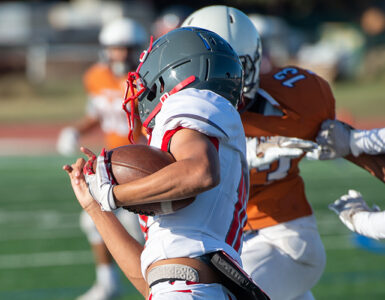

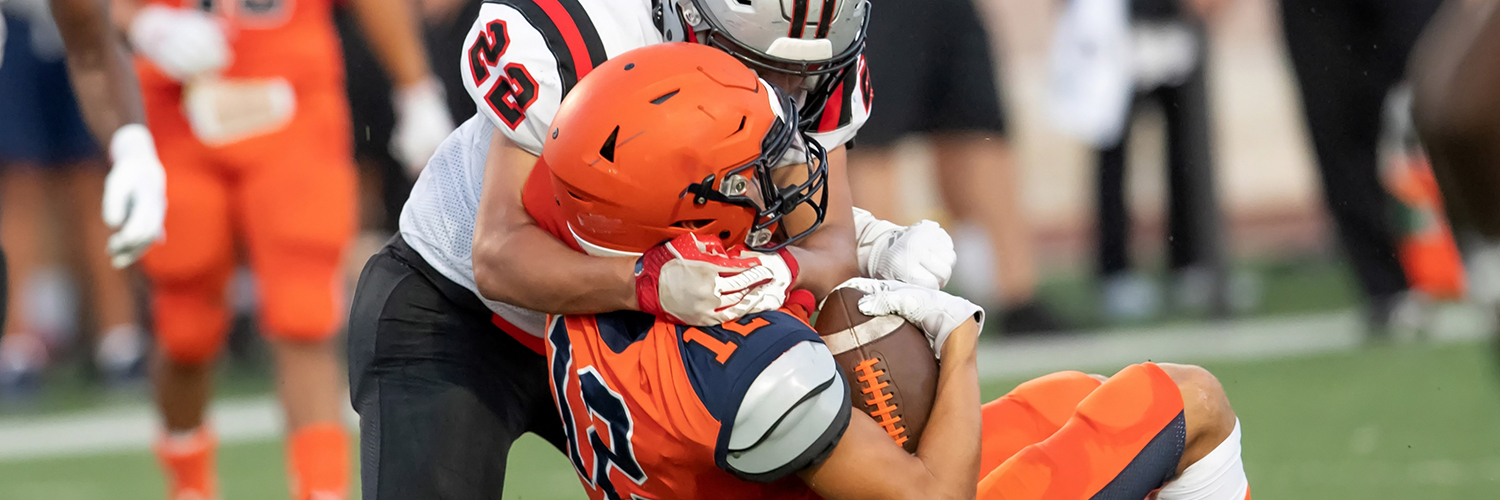
Traumatic brain injury (TBI) in sports is a serious concern for athletes of all ages. These injuries range from mild concussions to severe brain damage and can have both immediate and long-term effects on brain health. Knowing how to spot symptoms, prevent injuries and seek timely medical care is essential for athletes, parents and coaches.
TBIs are surprisingly, and frighteningly, common in youth sports. Each year in the United States, hundreds of thousands of children and teens are treated for sports- and recreation-related TBIs, with roughly 45 percent linked to contact sports such as football, soccer and basketball.
About 283,000 children under 18 visit U.S. emergency departments annually for these injuries, according to the U.S. Centers for Disease Control and Prevention. Another study concluded that roughly 70 percent of all sports‑ and recreation‑related TBI visits occur among persons aged 0 to 19 years, highlighting how widespread these injuries are in young athletes.
Adults face different risks and patterns of injury. A study published in the Journal of Neurosurgery analyzed adult sports-related TBIs from 2003 to 2012 and found that about 18,000 adults were injured each year in sports, with most injuries being mild. Equestrian, roller and aquatic sports caused the most serious problems, and factors like age, injury severity and low blood pressure increased the risk of longer hospital stays or complications.
This article explains how to recognize a brain injury, understand the risks of repeated head impacts and determine when to get medical help.
What Is a Traumatic Brain Injury?
A traumatic brain injury occurs when a bump, blow or jolt to the head or body disrupts normal brain function. This can happen from a direct hit, a fall or a sudden stop that shakes the brain inside the skull.
It’s important to differentiate between a head injury and a brain injury. A head injury may only affect the surface of the head, like a cut or bruise. A brain injury affects the brain itself.
What Causes Traumatic Brain Injuries in Sports?
Head injuries can happen in many ways during games or practice:
- Contact sports: Sports such as football, hockey and lacrosse involve frequent hard hits.
- Repeated impacts: Heading a soccer ball multiple times can accumulate damage.
- Falls: Gymnasts, skaters and cyclists can hit their heads during falls.
- Collisions: Players may crash into each other, goalposts or equipment.
Injuries are more likely when athletes use poor technique, lack proper protective gear or ignore safety rules. Correcting these factors reduces the risk of TBI.
What Are the Symptoms of a Traumatic Brain Injury?
Symptoms may last from a few days to several weeks, depending on the severity of the injury and how well the person follows rest and recovery guidelines. Early recognition of a TBI is crucial. Symptoms typically fall into three main categories:
Physical Symptoms
- Headache
- Dizziness or balance problems
- Nausea or vomiting
- Sensitivity to light or noise
Cognitive Symptoms
- Confusion
- Memory issues
- Difficulty concentrating
Emotional Symptoms
- Irritability
- Mood swings
- Anxiety
Emergency Warning Signs – Seek Medical Care Immediately
- Worsening level of consciousness or alertness
- Loss of consciousness
- Repeated vomiting
- Seizures
- Severe confusion or unresponsiveness
Types of Traumatic Brain Injuries
Traumatic brain injuries can vary in severity and type. The most common types include:
- Concussion: A mild TBI often caused by a bump or jolt to the head. Symptoms may include headache, dizziness, confusion or temporary loss of consciousness. Concussions are the most frequent type of sports-related brain injury.
- Contusion: A bruise on the brain caused by direct impact. Contusions can lead to swelling and bleeding in the affected area.
- Diffuse Axonal Injury (DAI): Occurs when the brain rapidly shifts inside the skull, stretching and damaging nerve fibers. DAI is often seen in high-impact collisions and can be severe.
- Hematoma: A collection of blood outside the brain, usually caused by a severe blow. Hematomas can increase pressure inside the skull and require urgent medical attention.
- Penetrating Injury: Occurs when an object pierces the skull and enters the brain. These injuries are rare in sports but are extremely serious.
Understanding the type of TBI can help athletes, coaches and medical professionals determine the right course of treatment and recovery plan.
Concussions and Long-Term Effects of Repeated Head Injuries
Concussions are mild TBIs and are very common in sports, but many athletes do not report them, which can make returning to play dangerous. Going back too soon after a concussion or experiencing multiple head impacts over time can lead to serious long-term consequences.
Repeated head injuries may cause:
- Cognitive problems: Memory loss, difficulty concentrating and slower thinking
- Emotional and mood changes: Depression, anxiety, irritability or mood swings
- Behavioral changes: Impulsivity or personality changes
- Chronic Traumatic Encephalopathy (CTE): A progressive brain disease linked to repeated head trauma, which can only be diagnosed after death
Because the effects of repeated TBIs can accumulate over time, athletes, coaches and parents must prioritize rest and full recovery before returning to play, even after a mild concussion. Early reporting and careful management are key to protecting long-term brain health.
How Are Traumatic Brain Injuries Diagnosed and Treated?
Neurologists or other specialists trained in concussions or similar injuries diagnose TBIs by asking questions and assessing balance, memory and cognitive function. Imaging, like a CT scan or MRI, is typically reserved for more severe injuries.
Initial Treatment
- Rest: Both physical activity and cognitive strain (like screens or heavy schoolwork) should be minimized.
- Gradual return-to-play: Athletes resume activities step by step under medical supervision.
Following a proper recovery plan reduces the chance of additional injury.
How Can You Prevent Traumatic Brain Injury in Sports?
Preventing injuries before they happen is the most effective strategy:
- Use proper gear: Helmets and mouthguards reduce impact forces but they do not eliminate the possibility of a concussion.
- Follow safety rules: Playing within the rules keeps dangerous hits out of the game.
- Learn correct techniques: Proper tackling, heading or landing reduces injury risk.
- Build strength: Strong neck and core muscles help the body absorb impacts.
- Report symptoms early: Athletes should immediately tell a coach or parent if they feel a head injury.
When Should You Seek Medical Care for a Head Injury?
Getting medical attention at the right time is critical:
- Any suspected concussion: Even mild symptoms should be checked.
- Persistent or worsening symptoms: Headaches, confusion or dizziness that does not improve.
- Multiple injuries: Repeated hits increase the risk of serious complications.
Seek Emergency Care If:
- Worsening level of consciousness or alertness
- Loss of consciousness
- Seizures
- Severe confusion or inability to wake
When in doubt, it’s always safest to consult a doctor.
FAQ: Traumatic Brain Injury in Sports
What is the difference between a concussion and a traumatic brain injury?
A concussion is a mild form of traumatic brain injury (TBI). While all concussions are brain injuries, TBIs can range from mild to severe and may involve more serious damage to the brain.
What are the symptoms of a traumatic brain injury?
Common TBI symptoms include headache, dizziness, confusion, memory problems, nausea and sensitivity to light or noise. Symptoms can affect physical, mental and emotional health.
How long do TBI symptoms last?
Symptoms may last from a few days to several weeks, depending on the severity of the injury and how well the person follows rest and recovery guidelines. Some people may experience longer-lasting symptoms.
What are the signs of a serious brain injury?
Emergency signs include loss of consciousness, repeated vomiting, seizures, worsening headaches or severe confusion. Immediate medical care is required.
Can you play sports after a concussion?
Only after full recovery and clearance from a healthcare professional. Returning too soon increases the risk of further brain injury and long-term complications.
What should you do after a head injury during sports?
Stop playing immediately and report the injury to a coach, parent or medical professional. Rest and medical evaluation are important before returning to activity.
Traumatic brain injuries in sports are serious but manageable when recognized early. Learn the symptoms, follow safety measures and seek medical care whenever a head injury occurs. Rest and proper treatment ensure athletes can continue to enjoy their favorite sports safely for years to come.