


Perimenopause, the phase leading up to menopause, is a time of complex hormonal changes that can bring about a variety of symptoms. For many women, this transition feels unpredictable, leaving them searching for understanding and support.
The World Health Organization (WHO) emphasizes that menopause, and the years surrounding it, are critical phases in women’s health due to their wide-ranging impact on physical and emotional well-being. Yet, perimenopause is often misunderstood, with symptoms frequently going unrecognized and little education available about this important life stage.
This article aims to shine a light on perimenopause — what it is, when it happens, how long it lasts and how to find relief — so women can navigate these changes with confidence and make informed choices about their health and well-being.
What Is Perimenopause?
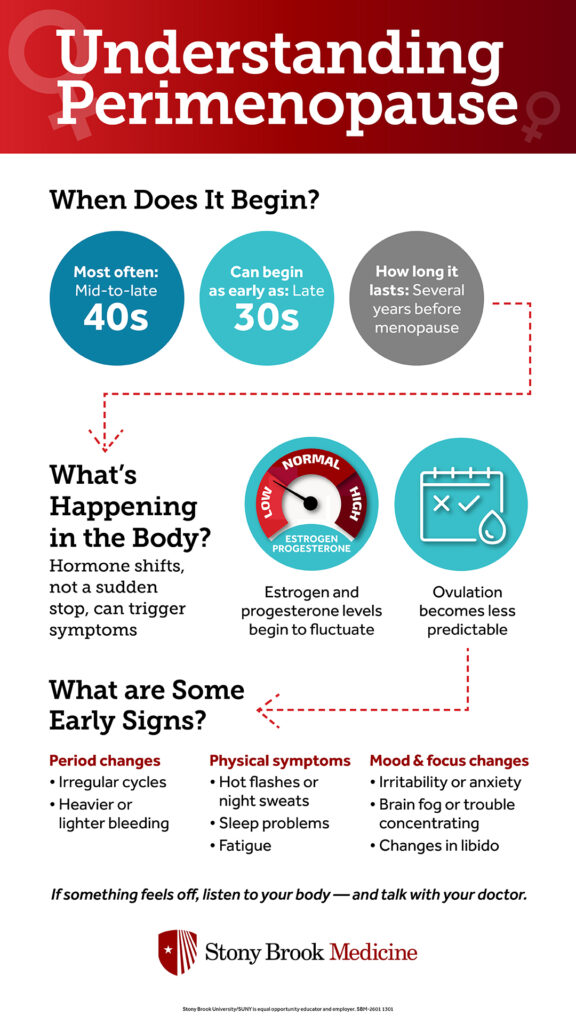
Perimenopause is the time leading up to menopause, which is diagnosed after 12 consecutive months without a menstrual period. During perimenopause, levels of estrogen and progesterone rise and fall unpredictably. These fluctuations — not just a steady decline — are what cause symptoms like irregular periods, hot flashes and other menopause-related effects on the body.
Eventually, your ovaries cease to produce these hormones. This leads to low or undetectable estrogen and progesterone, and you transition to menopause.
When Does Perimenopause Start?
This phase often begins in a woman’s forties, though some women notice changes in their late thirties. Perimenopause typically happens about two to eight years before menopause, with the average age of women who experience menopause in the United States being 52, according to the Office on Women’s Health (OWH), part of the U.S. Department of Health and Human Services.
Additionally, certain factors may influence when perimenopause begins, including:
- Family history: Women whose mothers experienced early menopause may notice earlier changes.
- Smoking: Smoking has been linked to earlier onset of menopause.
- Certain cancer treatments: Chemotherapy or radiation can affect ovarian function and may lead to earlier perimenopause.
- Surgery involving the ovaries: Procedures like oophorectomy (removal of the ovaries) can cause a sudden drop in hormone levels, triggering menopause or perimenopause-like symptoms.
Are There Really 34 Symptoms of Perimenopause?
You may have seen articles listing “34 symptoms of perimenopause.” While no official medical organization defines a specific number of symptoms, the reason some lists are long is simple: estrogen and progesterone affect many systems in the body. When these hormones fluctuate, multiple areas of the body can respond. The number itself is less important than recognizing patterns and seeking care when symptoms interfere with your quality of life.
What Are Common Signs and Symptoms to Watch For?
Every woman’s experience is unique. While some may have mild symptoms, others may face changes that significantly affect their daily lives. That said, doctors and public health experts recognize several common patterns of symptoms during perimenopause. These include:
Changes in Your Period
Menstrual changes are often the first sign of perimenopause. You may notice:
- Irregular cycles
- Skipped periods
- Heavier or lighter bleeding
- Shorter or longer cycles
- Spotting between periods
Hot Flashes and Night Sweats
Hot flashes are sudden feelings of heat that can make you sweat, feel flushed and experience a fast heartbeat. They happen because changing hormone levels affect the part of the brain that regulates body temperature. A hot flash can last from seconds to several minutes. Night sweats are hot flashes that occur during sleep and can disrupt rest.
With more than 75 percent of women experiencing hot flashes, it is the most common menopause symptom.
Sleep Changes
Many women experience:
- Trouble falling asleep
- Waking during the night
- Daytime fatigue
The hormonal fluctuations during perimenopause, particularly changes in estrogen and progesterone, can disrupt the body’s natural sleep-wake cycle. Night sweats may also contribute to frequent awakenings and poor-quality sleep.
Sleep disturbances are common during perimenopause and menopause, and can negatively impact overall health, including mood, energy levels and cognitive function. Addressing sleep issues early can help improve quality of life during this transition.
Mood and Cognitive Changes
Hormonal shifts during perimenopause can significantly influence brain chemistry, leading to:
- Irritability
- Anxiety
- Low mood
- Mood swings
- Brain fog
- Trouble concentrating
A large international study led by the Mayo Clinic, recently published in the journal, Menopause, found that while hot flashes were the most widely recognized symptom of perimenopause, respondents aged 35 and older overwhelmingly reported fatigue, physical and mental exhaustion, and irritability as their most common experiences. These changes are thought to be linked to fluctuating estrogen levels, which can impact neurotransmitters like serotonin, a key regulator of mood.
If mood symptoms interfere with daily life, it’s important to connect with your healthcare provider. Treatments including therapy, lifestyle changes or medications can help manage these symptoms effectively.
Physical and Sexual Health Changes
Hormone fluctuations can also cause:
- Vaginal dryness
- Pain during sex
- Lower sex drive
- Joint aches
- Headaches
- Weight gain
- Heart palpitations
- Dry skin or thinning hair
Not every woman will experience all of these symptoms, and their severity can vary widely. For some, these changes may be mild and manageable, while for others, they can significantly impact daily life and relationships. Understanding these potential changes can help you take proactive steps to address them, whether through lifestyle adjustments, conversations with healthcare providers or medical treatments.
How Do I Know It’s Perimenopause and Not Something Else?
There is no single test to confirm perimenopause or to predict when menopause will occur. In general, women should not focus on their hormone levels, as the symptoms of perimenopause and menopause should be treated regardless of your blood work results.
Healthcare providers typically evaluate:
- Age
- Menstrual history
- Symptom patterns
Some symptoms — such as fatigue, mood changes or irregular bleeding — can overlap with other conditions like thyroid disease or depression. A healthcare provider can help rule out other causes.
When Should You See a Doctor?
Perimenopause is natural, but certain symptoms require medical attention. Contact a healthcare provider if you experience:
- Very heavy bleeding (soaking through a pad or tampon every hour)
- Bleeding after sex
- Periods lasting longer than seven to 10 days
- Severe depression or anxiety
- Chest pain
- Ongoing or worsening heart palpitations
How Can I Manage My Symptoms?
Many women find relief through lifestyle changes and/or medical treatments. Options include:
Lifestyle Changes
- Regular exercise
- Strength training to support bone health
- Balanced nutrition with adequate calcium and vitamin D
- Stress reduction
- Healthy sleep habits
Medical Options
- Hormone replacement therapy (for appropriate candidates)
- Non-hormonal medications
- Vaginal estrogen for dryness
- Treatment for mood or sleep concerns
Perimenopause can cause a wide range of symptoms. What matters most is understanding your body, recognizing changes and knowing when to seek medical care.