

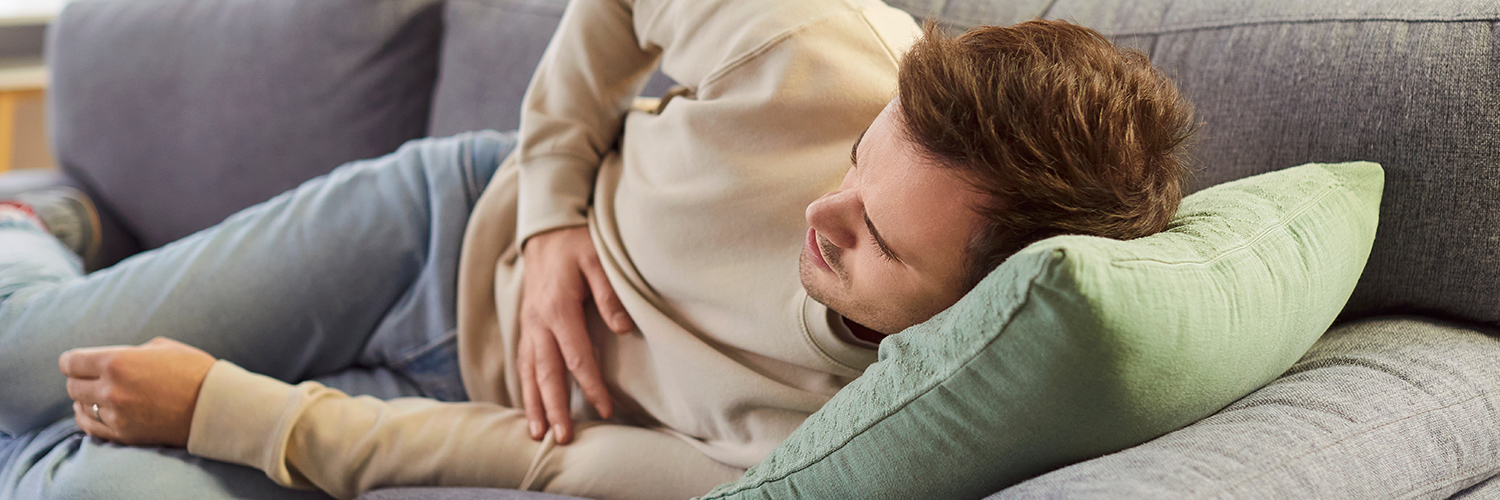
When it comes to your health, few topics feel more awkward than bathroom habits. However, the truth is: your primary care doctor has heard it all, and the questions you think are “too embarrassing” are often the most important ones to ask.
Your digestive and urinary habits can reveal a lot about your overall health, including your level of hydration, tolerance to your diet, and even susceptibility to infections and chronic conditions.
Primary Care physicians encourage you (and all patients) to bring up these common, and totally normal, questions during your annual visits.
The Most Common (and Often Unspoken) Bathroom-Related Concerns
1. How Often Should I Really Be Pooping?
Most people have one bowel movement per day, although it’s still “normal” to go less or more often. The range of what’s considered healthy and typical ranges from three times per day to three times per week.
What matters more than frequency is consistency and comfort. Hard, infrequent stools can signal constipation from low fiber intake, dehydration, thyroid issues or other health issues. Loose or urgent stools could be linked to diet, stress or food intolerances.
If your bowel habits suddenly change or you notice persistent pain, blood or mucus, it’s time to check in with your doctor. And if you experience fecal incontinence (loss of bowel control), be sure to mention this, since treatments including bowel retraining are available.
2. Why Does My Urine Smell Funny?
Urine odor changes are often related to what you eat or drink. For example, asparagus, coffee and certain vitamins can make urine smell strong or sweet.
If your urine has a persistent foul, fishy or sweet odor, or appears dark and cloudy, these can be signs of dehydration, urinary tract infection (UTI), vaginitis infection or even a genetic deficiency in enzymes that break down urine. Check in with your doctor and explain the look and smell of your urine.
In people with diabetes, fruity-smelling urine can also indicate excess sugar in the body, which is why it warrants a doctor’s visit.
3. Is It Normal to Pee a Little When I Laugh or Cough?
Peeing when you laugh or cough is called stress incontinence, and it’s very common, especially in women after childbirth or menopause, which can cause the pelvic floor muscles to weaken.
Pelvic floor exercises (like Kegels) can often help, as can maintaining a healthy weight and avoiding bladder irritants like caffeine.
If leaks are frequent or worsening and you’re not sure why, a urologist or pelvic floor specialist can examine you and then recommend additional treatments.
4. Why Am I Waking Up at Night to Pee?
Needing to urinate more than once per night, which is called nocturia, can result from aging, medications (like diuretics), bladder function issues or drinking fluids before bed. It can also signal underlying issues such as sleep apnea, diabetes or prostate enlargement in men.
If peeing at night is disrupting your sleep, mention it to your doctor. In many cases, small changes — such as cutting back on alcohol and caffeine, not drinking fluids for at least 2 hours before you go to sleep, or adjusting medications — can help.
5. What Does It Mean if My Stool Looks Different?
The color and shape of your poop offers clues about your digestion and health. Here’s a basic guide to what they might mean:
- Brown: Normal, from bile breakdown.
- Green: Often from leafy greens or iron supplements.
- Black or red: Can sometimes be caused by eating dark colored foods (like berries), taking charcoal or from iron pills. It may potentially indicate bleeding in the GI tract, so it’s best to call your doctor.
- Pale or clay-colored: This could mean liver or gallbladder problems, so mention it to your doctor.
If stool changes last more than a few days or come with pain, weight loss or fatigue, your doctor might recommend lab tests or imaging.
6. Is It Normal to Have Gas All the Time?
Almost everyone passes gas, on average, between 13 and 25 times a day (which is considered normal).
But persistent bloating, cramping or odor changes can sometimes suggest food intolerances (such as to lactose, gluten or certain fibrous foods), a microbiome imbalance or swallowing air while eating quickly.
Keep a food and symptom diary to spot patterns and mention chronic symptoms to your primary care provider. Pay close attention to how you react to foods that are most likely to cause gas, including:
- Beans and lentils
- Cruciferous vegetables like broccoli, cauliflower and Brussels sprouts
- Onions and garlic
- Dairy products
- Wheat
- Carbonated drinks
- Artificial sweeteners (like sorbitol or xylitol)
- High-fiber foods such as whole grains and dried fruit
7. Why Am I So Bloated After Eating Almost Anything?
Frequent bloating can be tied to your diet, hormonal changes, gut bacteria or slowed digestion.
Just like with gas, common triggers of bloating include carbonated drinks, beans, some veggies and high-fiber foods, and artificial sweeteners.
Eating small, slower meals and drinking more water might help. Removing foods from your diet that you don’t tolerate well, such as dairy, sugar or wheat, will also likely make a difference.
If bloating comes with significant pain, vomiting or weight loss, and doesn’t get better even when you change your diet, your doctor can test for food allergies, intolerances or GI disorders.
8. When Should I Worry About Blood in My Stool or Urine?
Even small amounts of blood in your urine or stool are worth investigating.
Bright red blood in stool can be caused by hemorrhoids or small tears, while darker stool can sometimes signal bleeding higher up in the digestive tract. Blood in urine could indicate infection, kidney stones, or, rarely, more serious conditions. Always schedule an exam with your doctor if you notice blood.
9. Why Do I Feel Like I Can’t Empty My Bladder Completely?
This can happen with an enlarged prostate, urinary retention or pelvic floor dysfunction. It can also occur after childbirth or surgery.
Leaving urine in the bladder increases infection risk, so don’t ignore this symptom. Your doctor can order tests, such as a bladder scan, to assess your bladder health or refer you to a urologist if needed.
10. What If My Bathroom Habits Suddenly Change?
Sudden constipation, diarrhea or frequent urination that lasts more than a few days can point to dietary triggers or even increased stress, which might go away on its own once you remove the cause.
But persistent symptoms deserve attention in order to rule out underlying health conditions.
For example, changes in stool or urine can sometimes be early warning signs of thyroid issues, infections, dumping syndrome (which can cause sudden diarrhea and nausea after eating), or colon or bladder disease.
Your primary care physician is trained to evaluate these symptoms confidentially and compassionately, without judgment. That’s why, when in doubt, it’s best to ask for help.
When to See Your Primary Care Doctor
If your bathroom habits have changed, you notice new pain or blood, or something just feels “off,” don’t wait to get your doctor’s advice. Your primary care provider can:
- Order simple tests to rule out infection, inflammation or food allergies
- Provide diet and lifestyle recommendations
- Refer you to specialists like gastroenterologists or urologists
At Stony Brook Medicine, our physicians treat the whole person, not just the symptoms. Whether you’re managing a chronic condition, scheduling your annual physical, or bringing up something that feels uncomfortable to discuss, we’re here to help you feel at ease and take control of your health.