

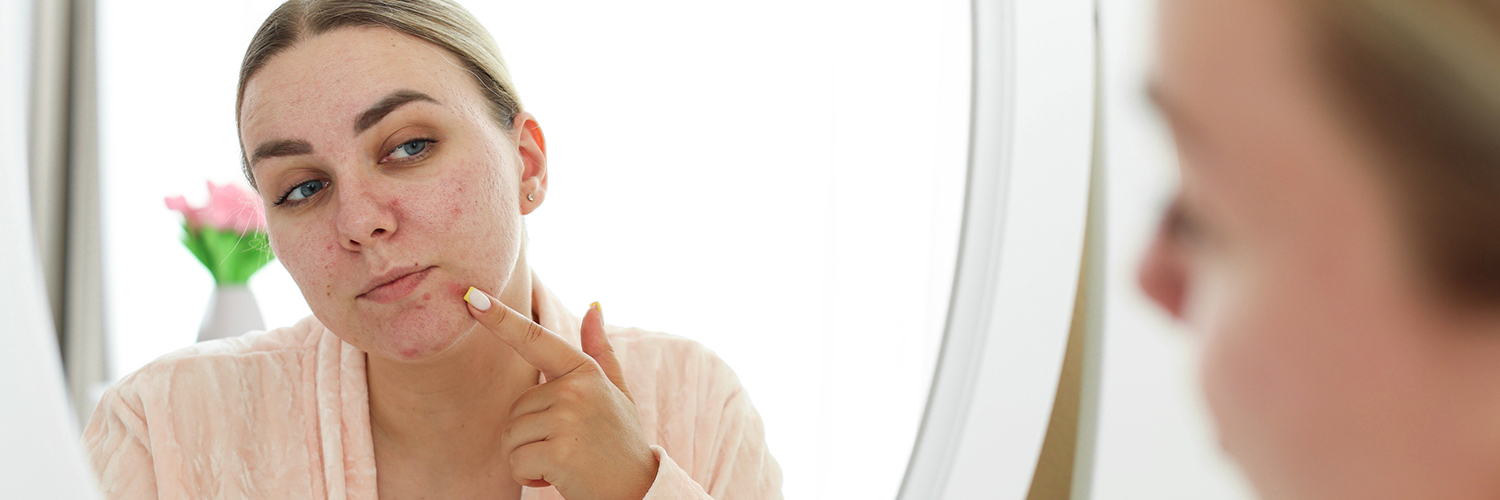
We all have embarrassing health questions we hesitate to bring up, even with our doctor. From strange smells to mysterious body changes, it’s easy to feel awkward. But you’re not alone, and these concerns are far more common than you might think.
This article will answer some of those topics with facts and expert advice. Think of it as a judgment-free zone to get the information you need. While this is a great starting point, remember that doctors hear embarrassing health questions all the time and there is no shame in sharing your concerns.
1. Why Does My Groin Itch?
An itchy groin is a common complaint, often caused by fungal infections like jock itch (tinea cruris) that flourish in warm, moist environments. For women, a vaginal yeast infection is another frequent culprit. Irritation from tight clothing or chafing can also be to blame.
To find relief:
- Keep the area clean and dry at all times.
- Choose loose-fitting, breathable clothing, especially during exercise.
- Try over-the-counter antifungal creams or powders if needed.
- See your doctor if the itch persists or gets worse to get a proper diagnosis and treatment.
2. Why Do I Smell Bad Even with Good Hygiene?
If you maintain good hygiene but still struggle with persistent body odor (known as bromhidrosis), there might be more to it. The smell is produced when bacteria on your skin break down sweat. Certain foods, like garlic and onions, can also contribute to odor. In some cases, an underlying medical condition, such as diabetes or a thyroid issue, could be the cause.
Start by using an antibacterial soap and a clinical-strength antiperspirant. Wearing breathable fabrics like cotton can also help. If the odor doesn’t improve with these changes, consulting your doctor can help rule out any underlying health problems.
3. What Causes Bad Breath and How Can I Get Rid of It?
Bad breath, or halitosis, is usually linked to bacteria in the mouth, often from food particles trapped between teeth. Other causes include dry mouth, smoking and certain foods. One common but often overlooked source is tonsil stones — small, hard collections of debris that get stuck in the crevices of your tonsils and can produce a strong odor.
Improving your oral hygiene is the first step. Brush twice a day, floss daily and use a tongue scraper to remove bacteria. To manage tonsil stones, try gargling with salt water. If bad breath continues, schedule a visit with your dentist to check for gum disease or other issues.
4. Why Am I So Gassy?
Feeling gassy is completely normal, but excessive gas can be uncomfortable and embarrassing. It’s often caused by swallowing air when you eat or drink too quickly but can also be a symptom of slow gut motility, changes in your gut bacteria that affects how much gas is produced, or conditions like irritable bowel syndrome and celiac disease. Many healthy foods and carbonated drinks are also well-known gas producers.
Common gas-producing foods and triggers include:
- Beans and lentils
- Broccoli, cabbage and other cruciferous vegetables
- Carbonated drinks like soda and sparkling water
- Dairy products (if you have lactose intolerance)
- High-fiber foods or fatty foods
- Swallowing air from eating or drinking too quickly
Try eating more slowly and keeping a food diary to identify your personal trigger foods. If your gas is severe, painful or comes with other symptoms like bloating or stomach cramps, talk to your doctor.
5. Why Do I Sweat So Much?
Sweating is your body’s natural cooling system, but excessive sweating, called hyperhidrosis, can feel like a constant struggle. It happens when overactive sweat glands produce more sweat than is necessary to regulate body temperature. Stress, anxiety and certain medical conditions like an overactive thyroid can also trigger heavy sweating.
Clinical-strength antiperspirants are a great first-line defense. If those don’t provide enough relief, your doctor can discuss other options, including prescription medications or specialized treatments.
6. Why Are My Breasts Different Sizes?
It might be surprising to learn that breast asymmetry is incredibly common and part of our embarrassing health questions list. Most women have breasts that are slightly different in size or shape, and it’s usually nothing to worry about. This difference is often due to genetics and normal hormonal fluctuations during development.The key is to know what’s normal for you. While asymmetry is common, you should contact your doctor if you notice sudden changes in size, shape or feel a new lump.
7. Why Is My Hair Falling Out?
Losing some hair every day is normal, but if you’re noticing significant thinning or bald patches, it’s understandable to be concerned. Hair loss, or alopecia, has many causes, including genetics, major stress, hormonal shifts (like after pregnancy) and nutritional deficiencies.
The right treatment depends on the cause. For some, reducing stress or improving diet can help. For others, over-the-counter products or prescription treatments may be necessary. A doctor can help you pinpoint the reason for your hair loss and recommend the best course of action.
8. Is My Mole Something to Worry About?
Most moles are harmless, but it’s smart to keep an eye on them for any changes that could signal skin cancer. It’s recommended that you check your skin for any signs of changing moles regularly or even daily, which is called a “self-screen.”
Pay careful attention to moles on the back and chest, which are common locations where melanoma develops. People with any history of skin cancer should also have a total body skin examination every year by a physician.
Melanoma is the deadliest form of skin cancer, but when it’s detected early, it’s highly treatable. Melanoma can occur anywhere on the body, but is most common on the upper back, torso, lower legs, head and neck. It can also present in unusual locations such as the nails, scalp, feet or ears.
If you see any of these warning signs, called the “ABCDEs of Melanoma,” show them to your healthcare provider right away:
- Asymmetry: Moles that have an asymmetrical appearance
- Border: A mole that has blurry and/or jagged edges
- Color: A mole that has more than one color
- Diameter: Moles with a diameter larger than a pencil eraser (6 mm or 1/4 inch)
- Evolution: A mole that has gone through changes in size, shape, or color
9. Is Adult Acne a Sign of a Health Problem?
Acne isn’t just for teenagers. Many adults experience breakouts due to hormonal fluctuations, stress and even some medications. Sometimes, persistent adult acne can be a symptom of an underlying condition like polycystic ovary syndrome (PCOS).
A consistent skincare routine with products containing salicylic acid or benzoyl peroxide can help manage mild acne. If your breakouts are stubborn or cystic, a dermatologist can offer more effective treatments, like prescription topicals or oral medications.
10. Why Is My Sex Drive So Low?
A low libido is a sensitive topic, but it’s a very real issue for many people. It can be caused by a wide range of factors, including stress, fatigue, relationship issues, hormonal imbalances and side effects from medications like antidepressants.
Common causes of low libido include:
- Stress or anxiety
- Hormonal imbalances (such as thyroid issues and menopause)
- Side effects from medications, such as antidepressants
- Fatigue or lack of sleep
- Relationship or emotional concerns
- Chronic health conditions (such as diabetes and depression)
Open communication with your partner is a great starting point. Lifestyle changes, such as getting more sleep and exercising, can also make a difference. If your low libido persists, talking to your doctor can help identify any underlying medical causes and find a suitable solution.
11. How Can I Stop Biting My Nails?
Our final topic on the embarrassing health questions list discusses nail biting. Nail biting is a common habit, often triggered by stress, anxiety or boredom. While it may seem harmless, it can damage your nails and the skin around them, and even lead to infections.
To break the habit, try keeping your nails trimmed short or applying a bitter-tasting polish. Identifying your triggers and finding alternative ways to cope with stress, like squeezing a stress ball or practicing deep breathing, can also be very effective. If nail biting continues despite your efforts or is connected to anxiety, consider reaching out to a healthcare professional or therapist for support.
It’s Okay to Ask for Help
No health concern is too small or too awkward to discuss with your doctor. They are there to help you, not to judge. If you feel nervous, try writing your embarrassing health questions down before your appointment. Being open and honest is the best way to get the care you need.